

New Roofs Built to Manufacturer and Climate Standards
Roof installation in Farmington Hills for residential properties requiring complete new roofing systems on new construction or full replacement of existing structures
A complete roof installation involves more than laying shingles—it is a sequenced process that begins with the decking condition and ends with sealed penetrations and proper drainage slope, and every step in between has to be done in the right order to activate the manufacturer warranty that covers the finished system. 800 New Look installs new roofs for residential properties across Farmington Hills and southeast Michigan as preferred contractors with Owens Corning and GAF Master Elite, which means the installation methods are held to the standards those manufacturers require for lifetime warranty qualification. Homeowners building new or replacing an existing roof that has reached the end of its serviceable life are the primary candidates for this work.
Michigan's climate creates specific demands on a roof installation that do not apply in warmer states. Ice and water shield—a self-adhering membrane installed at the eaves before underlayment goes down—is required at the first three feet of the roof edge in Michigan because that zone is where ice dams form when heat escapes through the attic and melts roof snow, which then re-freezes at the cold overhang and backs water under the shingles. The installation process at 800 New Look includes this membrane as a standard component, along with underlayment across the full field, flashing at all penetrations and wall intersections, and shingles installed to manufacturer nailing patterns that maintain wind resistance ratings. Ventilation is assessed and corrected if the existing ridge and soffit vent balance does not meet the requirements for the new shingle system being installed.
Request a free estimate that includes a decking inspection to determine whether any substrate work is needed before installation begins.
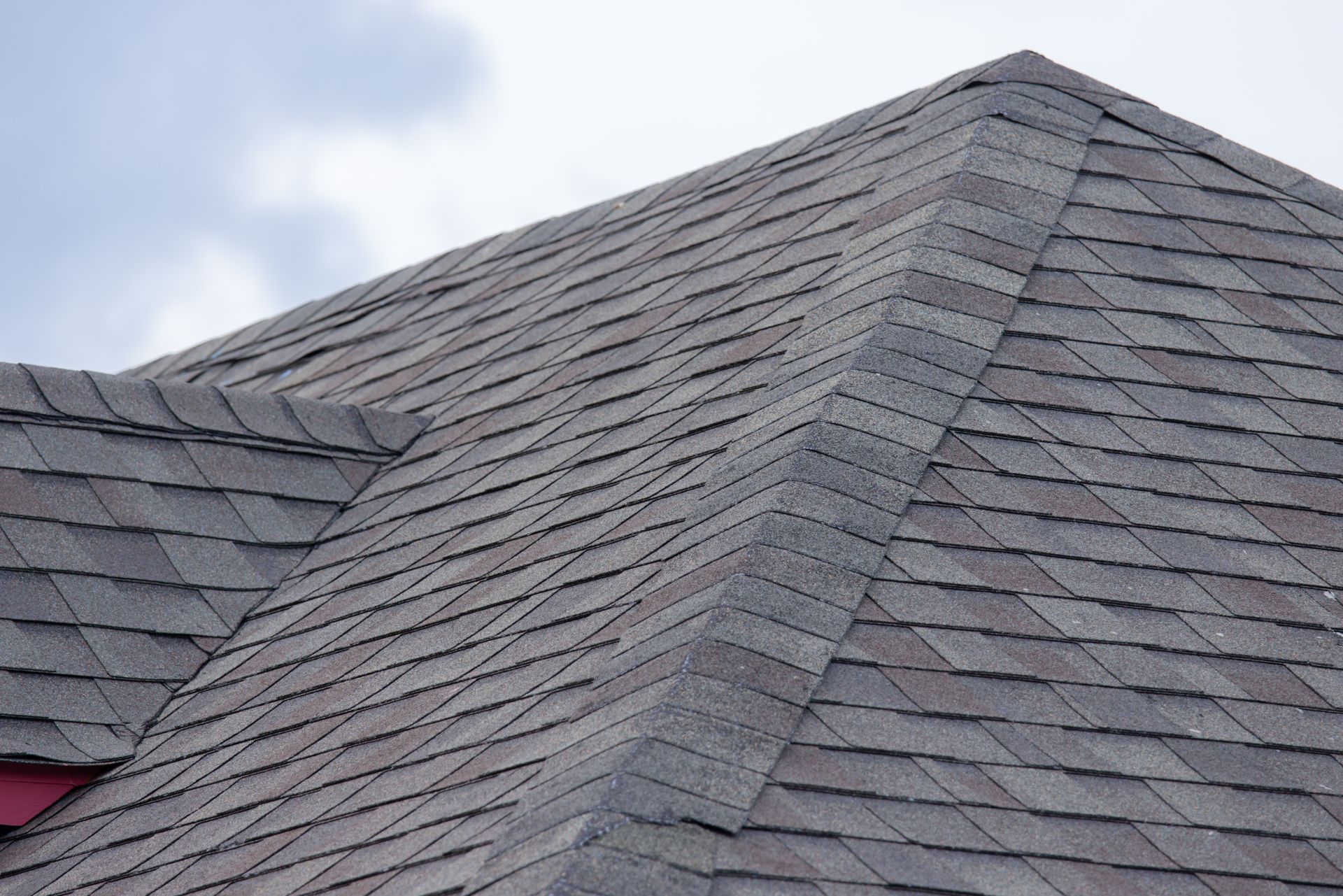
What Proper Roof Installation Requires
The installation sequence starts with measuring the roof and inspecting the existing decking for soft spots, delamination, and areas where previous fasteners have pulled through the wood. Decking sections that are compromised are replaced before anything goes on top, because shingles fastened into failed substrate will not hold wind loads and will not meet manufacturer installation standards. Once the deck is confirmed sound, ice and water shield is laid at eaves and valleys, underlayment covers the full field with the correct overlap, and shingles are installed per the manufacturer's nailing pattern—not the minimum fastener count but the pattern specified for the wind zone applicable to southeast Michigan.
When the installation is complete, the roof surface should show consistent shingle alignment with no exposed fasteners outside of the ridge cap, all flashing should be sealed at wall intersections and around every penetration, and the ridge should have functional ventilation. Debris from the installation is removed and hauled away before the job is considered finished. 800 New Look provides a roof that drains completely to the gutters without water tracking back under the starter course, which is the observable test of whether the eave details were done correctly.
The scope of a complete installation differs from a re-roof overlay in a significant way: an overlay adds a second shingle layer over the existing one without addressing the decking, flashing, or underlayment, and it does not qualify for the manufacturer's lifetime warranty because the underlayment and ice shield cannot be installed correctly over an existing layer. A full installation removes everything down to the deck, which is why the decking inspection is part of the estimate process rather than a separate step—what is found on the deck determines the full material and labor scope before the project is priced.
Questions Before Starting Your Roof Project
These are the questions homeowners in Farmington Hills, Bloomfield Hills, and Howell most commonly ask before committing to a new roof installation.
What is included in a complete roof installation versus a re-roof overlay?
A complete installation removes the existing roofing down to the deck, inspects and repairs the substrate, installs ice and water shield, underlayment, new flashing, and shingles to manufacturer specifications—an overlay skips those steps and does not qualify for a lifetime manufacturer warranty.
How does ice and water shield protect the roof during Michigan winters?
The self-adhering membrane seals around fasteners and laps itself at joints, so when ice dam meltwater backs up under the shingles at the eave, it cannot penetrate the membrane and reach the decking below.
Why does ventilation get assessed during a roof installation?
The shingle manufacturer's warranty is tied to the attic ventilation ratio meeting their specification—insufficient exhaust ventilation causes heat buildup that degrades the shingle mat from below, and correcting it is part of installing the system to warranty standards.
What happens if rotted decking is found during the installation?
Rotted or delaminated sections are replaced before any underlayment or shingles go down; the extent of that work is identified during the estimate inspection and priced into the project scope before installation begins.
How does preferred contractor status with Owens Corning and GAF Master Elite affect the installation in Farmington Hills?
It means the installation is performed to the methods those manufacturers require to activate their lifetime warranties, and it means the contractor is accountable to the manufacturer's quality standards—not just local code minimums.
800 New Look provides free roof installation estimates that include a decking and flashing assessment—call (248) 306-9225 to schedule a date and get a complete scope before making a material or contractor decision.