

Hail Damage Documentation That Supports Claim Approval
Insurance claim siding assistance in Farmington Hills for homeowners facing storm or hail damage that insurers need documented to process
A hailstorm that visibly dents metal flashing and knocks granules off roofing shingles often leaves less obvious but equally significant damage on siding panels—impact marks, cracked faces, and compromised paint surfaces that reduce the siding's ability to shed water. That damage qualifies for insurance coverage in most homeowner policies, but claims are denied or underpaid when documentation is incomplete or damage is assessed only from ground level. 800 New Look supports Farmington Hills homeowners through the siding insurance claim process from initial inspection through adjuster coordination, ensuring the full scope of damage is captured before any claim decision is made.
The process begins with a full exterior inspection that goes beyond what is visible from the ground—panel surfaces, trim pieces, soffit, fascia, and window casing are examined at close range for impact marks, cracking, and granule transfer from roofing material. Every affected surface is photographed with detail sufficient for an insurance adjuster to evaluate remotely, and a written damage report is compiled for submission with the claim. 800 New Look communicates directly with your insurer's adjuster to answer technical questions about damage patterns and repair scope, which reduces the back-and-forth that delays claim resolution.
If your home was hit by a recent storm, arrange an inspection to determine what damage is present and what documentation your insurer will need to process the claim.
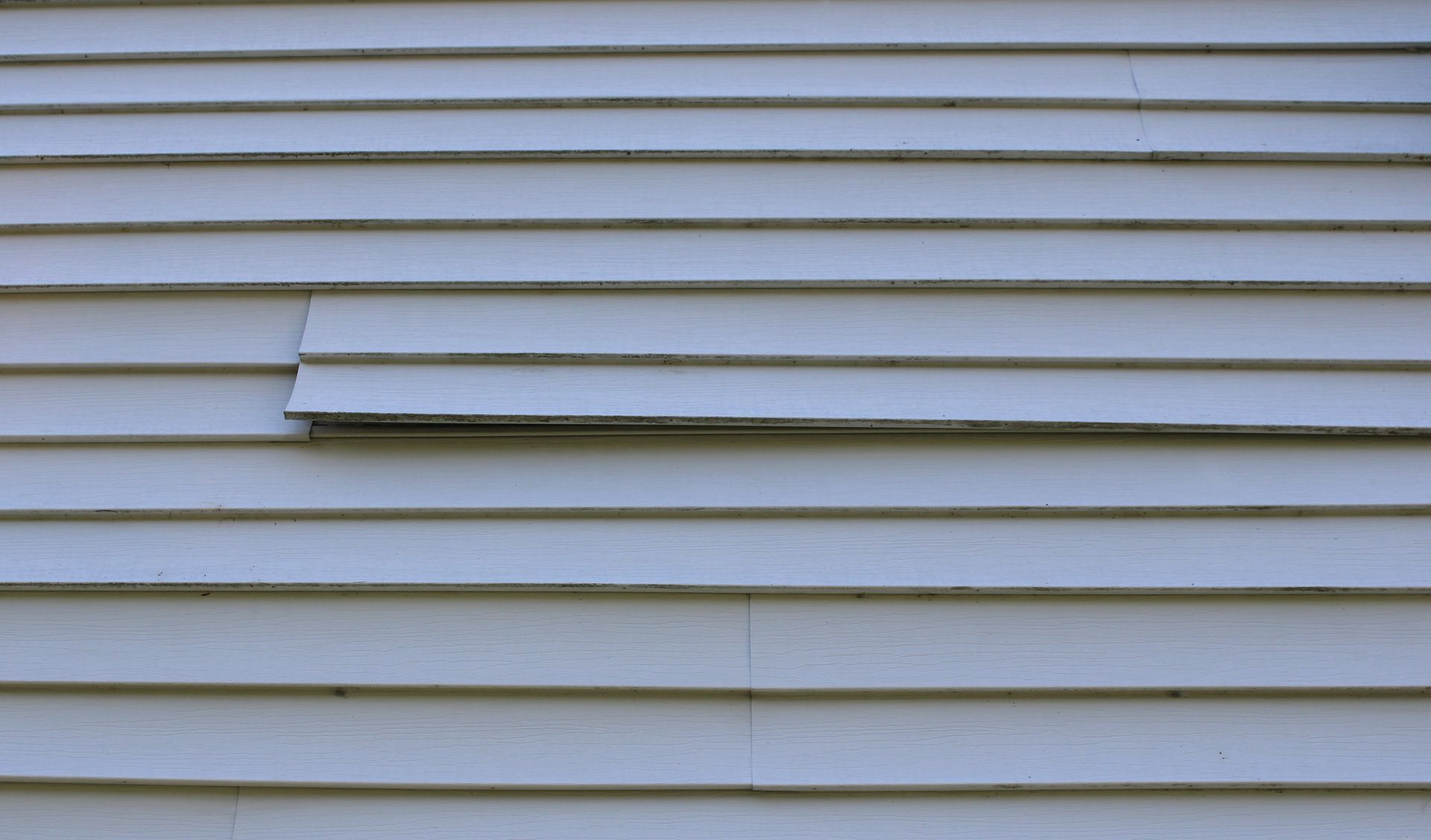
How Proper Documentation Affects What Your Insurer Approves
Insurance adjusters evaluating siding damage rely on submitted documentation to determine whether damage is consistent with a storm event rather than pre-existing wear. Hail impact on vinyl siding produces a specific crack pattern—typically a spiderweb fracture radiating from the point of impact—that differs from damage caused by UV degradation or physical contact from lawn equipment. Identifying and photographing those patterns systematically, panel by panel across each elevation, is the difference between a claim that documents a fraction of the damage and one that captures the full scope the insurer is responsible for covering. As preferred contractors with Owens Corning and GAF Master Elite, 800 New Look carries standing familiarity with material-specific damage patterns that adjusters recognize as credible documentation.
After a claim is approved, the scope of work documented during the inspection becomes the basis for the repair or replacement project. Homeowners receive a detailed damage report they can reference if any dispute arises during the claims process, and the repair timeline is coordinated with the insurer so work proceeds as soon as coverage is confirmed rather than waiting through repeated back-and-forth scheduling. The visible result after work is complete is siding that shows no impact damage, consistent panel faces, and tight seams—a finished exterior that also closes out the insurance file cleanly.
Not all siding damage after a storm qualifies under every policy—coverage depends on the storm event type, policy deductible, and whether damage meets the insurer's threshold for functional impairment rather than cosmetic impact alone. Understanding the distinction between cosmetic and functional damage before submitting a claim helps homeowners set accurate expectations for what will be approved and what may fall to out-of-pocket costs.
Answers to Frequent Questions About Siding Insurance Claims
Homeowners across Farmington Hills often have questions about how the insurance claim process works and what role a contractor plays in it. These answers address the details that most affect whether a claim moves forward successfully.
What does the damage inspection actually involve beyond a visual check from the ground?
Inspection includes close examination of each panel face for impact fractures, color variation at strike points, and damage to trim and transition pieces that ground-level views miss—this close-range documentation is what adjusters need to evaluate coverage rather than general descriptions of storm exposure.
How does working with a contractor who has insurer relationships affect the claim process?
Preferred contractor status with carriers like Owens Corning means adjusters are familiar with 800 New Look's documentation standards and scope assessments, which reduces the friction that slows down claim approval when an unknown contractor submits unfamiliar paperwork.
When should a homeowner file a claim versus handle repairs independently?
Filing makes sense when damage is widespread across multiple elevations and the repair scope exceeds the deductible amount—independent repair is more practical for isolated panel damage that a single claim would not cover above the deductible threshold.
Why do insurers sometimes approve partial claims rather than full siding replacement?
Adjusters assess whether damage meets a functional impairment standard rather than a cosmetic one, and partial approvals result when some elevations show documented storm damage while others show only age-related wear that predates the event.
How does Farmington Hills' storm history affect how common these claims are in Oakland County?
Oakland County sits in a corridor that sees significant hail events during spring and early summer convective storms, making siding damage claims one of the more frequent property insurance events in the region—filing promptly after a storm event matters because insurers track storm dates to validate claim timing.
800 New Look has managed siding insurance claims for homeowners across Farmington Hills for over two decades, with documented experience across Oakland County storm events. Call (248) 306-9225 to schedule an exterior inspection and receive a damage report you can submit directly to your insurer.