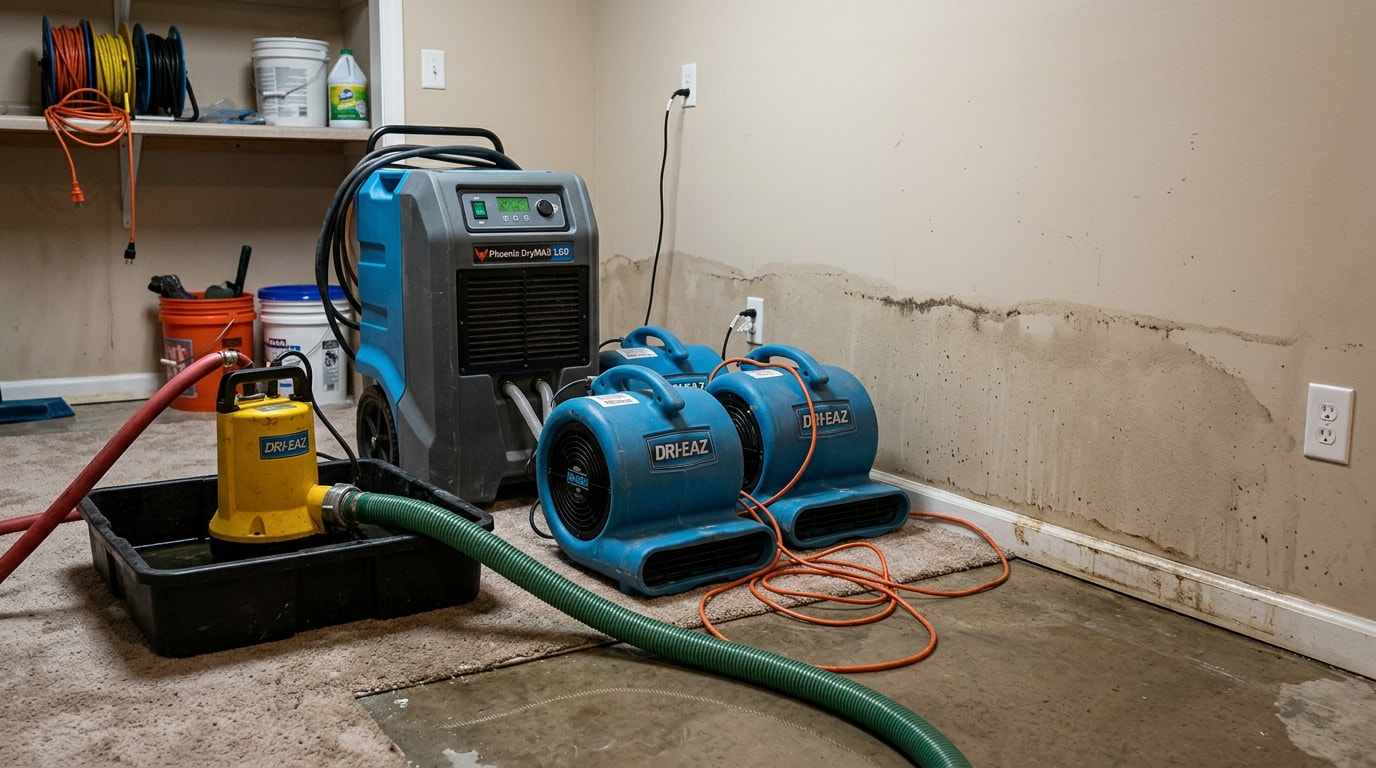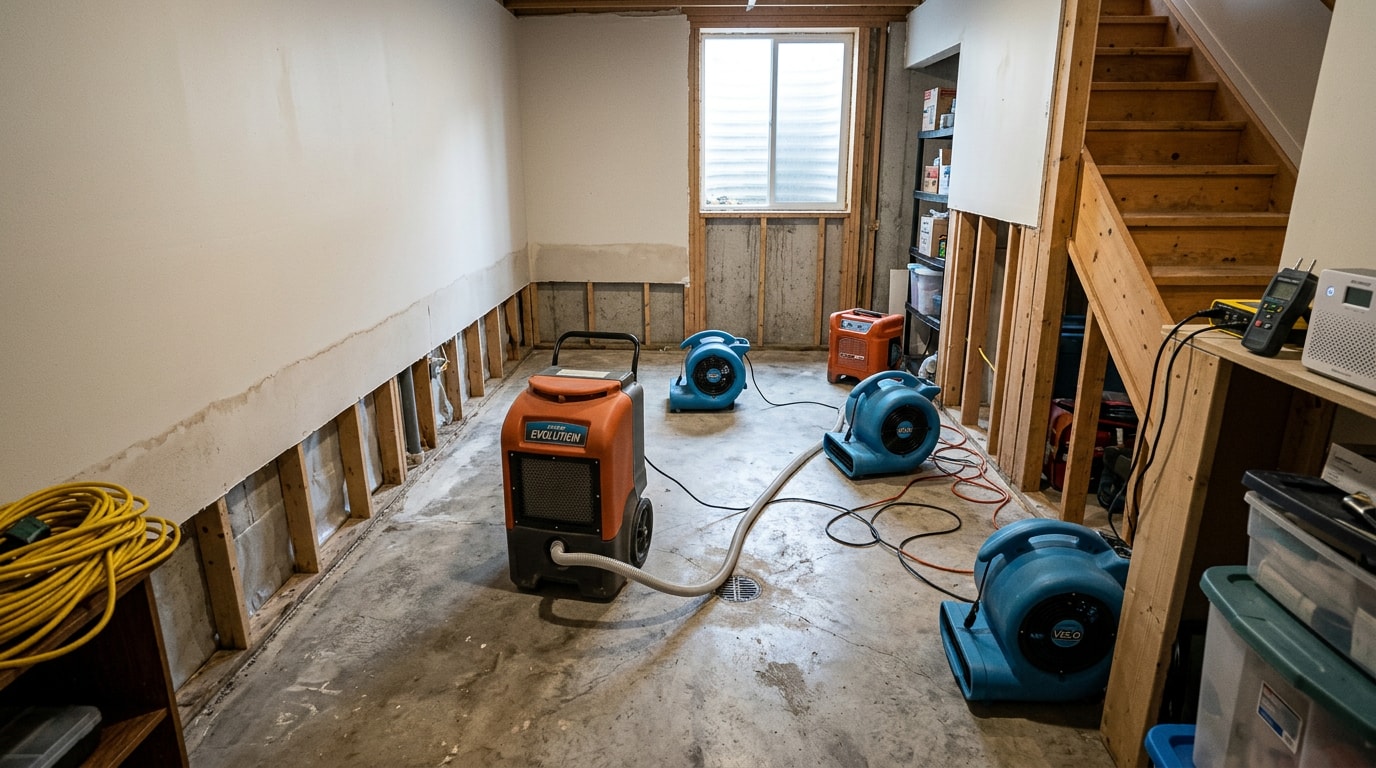
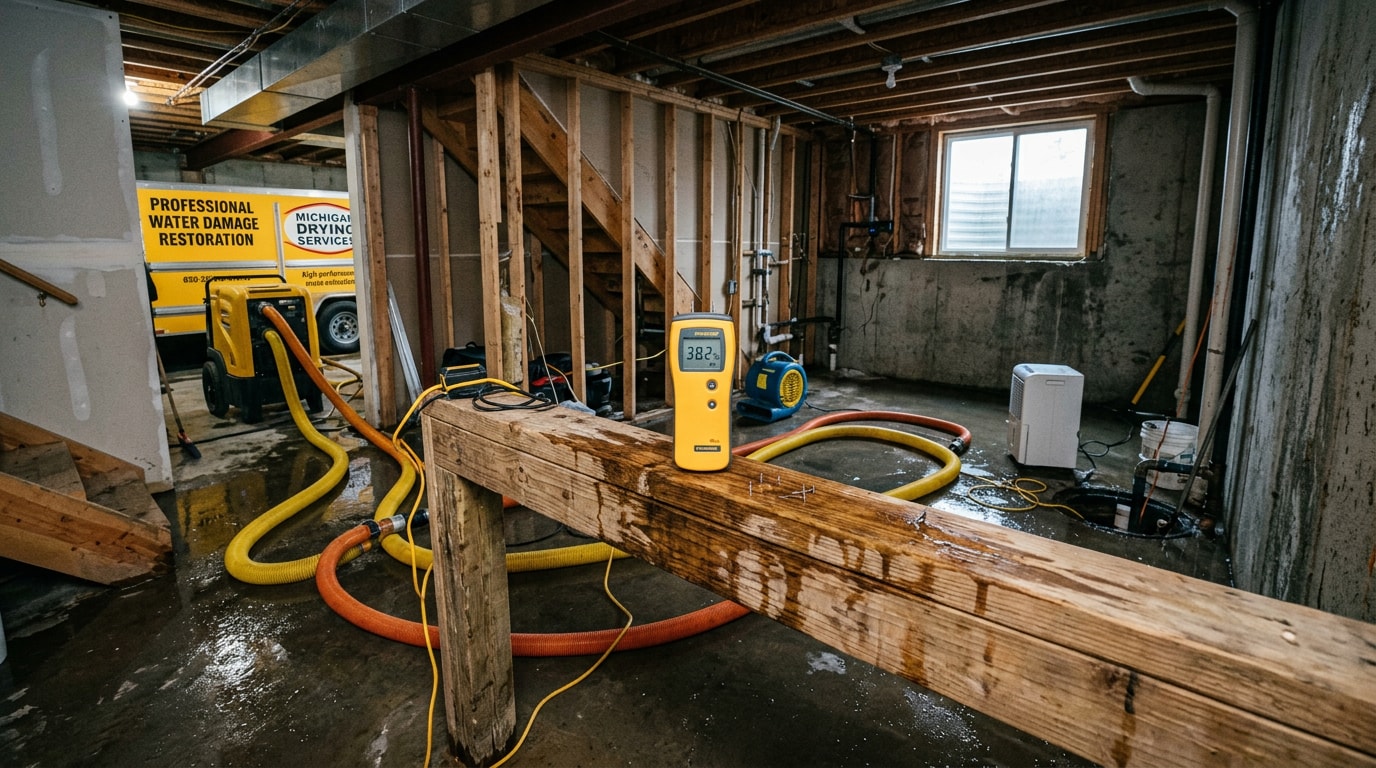
Water flood damage in Wayne County almost never has one cause. A Detroit basement backing up through a floor drain, a Dearborn home near the Rouge River, and a Canton basement with a tired sump pump are three different problems that get lumped together under the same search term. Knowing which one applies to your house changes how fast you need to move and what your insurer will actually pay for.
Why Water Flood Damage Looks Different Across Wayne County
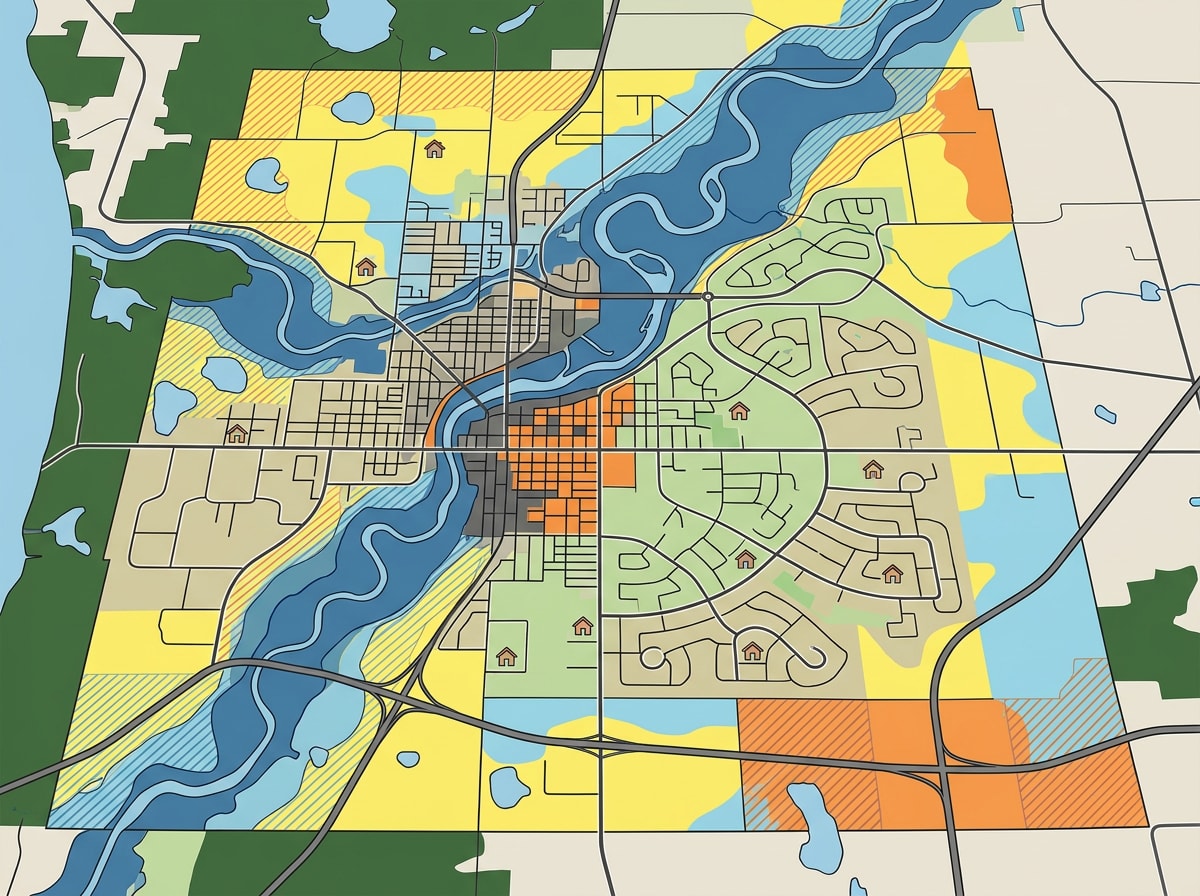
Detroit's housing stock sits largely on combined sewer infrastructure, meaning stormwater and sewage share the same pipe. During a heavy rain event, that system can reach capacity fast. A combined sewer overflow may occur during a significant rain event because the collection system rapidly reaches capacity, which increases the risk of flooding and basement backups. That's why heavy rain in the city often produces contaminated backups rather than clean water seeping in from outside.
The Great Lakes Water Authority, which manages this system, has discharge points because of the size of the system, which serves approximately 3 million people, including the city of Detroit and 77 additional communities . Dearborn carries its own layered risk from the Rouge River sitting next to a mix of older and newer housing stock.
Western suburbs tell a different story. Canton, Plymouth, Livonia, and Farmington homeowners more often deal with overwhelmed sump pumps and basement seepage after a hard storm. These are not the same restoration job, and a company that treats them identically is guessing, not diagnosing.
The Exterior Damage That Starts Most Interior Floods
Here's what most water-damage articles skip: a large share of the flooding we see in Wayne County basements and lower floors starts above the foundation, not below it.
- Roof failures. Wind-driven rain finds a lifted shingle or cracked flashing and tracks down into the attic, then the exterior walls, long before it shows up as a stain on the ceiling. Our storm damage roof repair crews catch this pattern constantly in Wayne County after derecho-style storm fronts move through.
- Gutters and downspouts. A clogged or undersized gutter system doesn't just overflow onto the lawn. It dumps water directly against the foundation, which is one of the most common drivers of basement flooding we see on service calls. Storm damage gutter repair is often the fix that stops a recurring basement problem for good.
- Siding gaps. Impact damage or separated seams let wind-driven rain get behind the wall assembly, where it can travel down to the sill plate unnoticed for weeks. Storm damage siding repair addresses the entry point, not just the stain.
- Window seals. Storm-stressed seals and cracked panes let water track into the sill and framing every time it rains, slowly rotting wood that eventually needs full replacement. Storm damage window repair is cheaper than rebuilding a window frame later.
This is the piece a pure water-mitigation company can't offer: fixing the exterior source so the same flood doesn't happen again next storm season.
The First 24 Hours After Water Flood Damage
What you do before a crew arrives affects both the drying timeline and your claim.
- Stop the source if it's safe to do so. Shut off the water supply for a plumbing failure; leave a running sump pump plugged in unless water has reached its outlet.
- Photograph everything before you move anything. Wide shots of each room, then close-ups of damaged materials.
- Separate wet contents from dry ones. Porous materials left wet start growing mold fast.
This is because when things remain wet for more than two days, they usually get moldy.
- Call your insurer and a restoration crew in the same hour. Delaying either one tends to cost more than it saves.
- Avoid running HVAC fans over visibly moldy material. It spreads spores through the rest of the house.
How We Respond to Wayne County Water Flood Damage Calls
Our crews hold IICRC water restoration, applied structural drying, and microbial remediation credentials, with more than 25 years working across southeast Michigan. The Water Damage Restoration Technician certification demonstrates knowledge to perform remediation work and an understanding of water damage, its effects, and techniques for drying structures. That's the baseline credential every technician we send carries, not an optional extra.
Fast Response and a Free Inspection
Day or night, a real person answers, and a crew is typically on-site within about an hour. We provide a free inspection that documents what's wet, where the water originated, and what it will take to dry, so you, your insurer, and any future buyer are working from the same facts.
Getting Your Claim Paid, Not Just Filed
How you describe the loss to your insurer matters more than most homeowners realize. Standard homeowners insurance and flood insurance are two different products with different triggers. Most homeowners insurance does not cover flood damage. But the line isn't always obvious: your policy would cover water damage to your home from a sewer that backed up during a heavy rainstorm, but it would not cover damage from a sewer backup caused by clogged pipes.
That distinction is exactly why we document the cause, not just the wet drywall, before the adjuster ever shows up. If exterior storm damage contributed to the loss, our insurance claim roof assistance and insurance claim gutter assistance teams build the paper trail that keeps a claim from getting kicked back.
What Water Flood Damage Repair Actually Costs
Pricing depends heavily on water category. Clean water from a supply line costs far less to remediate than sewage-contaminated category 3 water, because the second requires containment, controlled demolition of porous materials, and antimicrobial treatment rather than simple drying.
| Water Category | Typical Cost Per Sq. Ft. | What Drives the Price |
|---|---|---|
| Category 1 (clean) | $3.00 - $4.00 | Burst pipes, supply line failures; most materials salvageable |
| Category 2 (gray) | $4.00 - $7.00 | Appliance overflows, sink backups; contains contaminants |
| Category 3 (black) | $7.00 - $15.00 | Sewage backups, storm or river flooding; full PPE and disposal required |
Clean water from broken pipes or rainwater intrusion runs roughly $3 to $4 per square foot, while black water from sewage backups, river flooding, or groundwater can run $7 to $15 per square foot. In Wayne County, that means a Detroit combined-sewer backup will almost always price out higher than a Canton clean-water pipe break of similar size.
Why Wayne County Homeowners Trust Our Crews
I've walked through enough flooded Wayne County basements to notice a pattern: the houses that recover fastest are rarely the newest ones. They're the ones where the roof, gutters, and siding had been serviced within the past two or three years, so the storm had one less way in. That's the thinking behind pairing exterior storm repair with interior water mitigation under one crew instead of two separate vendors pointing fingers at each other.
If you're dealing with active water flood damage right now, start with our Wayne County service area page or go straight to the homepage to see the full range of storm-related repair work we handle beyond the initial cleanup. For a closer look at how we've helped neighbors rebuild after major storm events, see our guide on the restoration roofing company Wayne County homeowners trust after storm damage.
Get a Free Estimate before the next storm front finds the gap your roof, gutters, or siding left behind.
FAQ
Does homeowners insurance cover water flood damage in Wayne County?
It depends on the cause. Most homeowners insurance does not cover flood damage. Sudden losses like a burst pipe are typically covered under a standard policy, while water entering from outside during a storm usually requires separate flood insurance through the National Flood Insurance Program.
How long does it take to dry out a flooded basement?
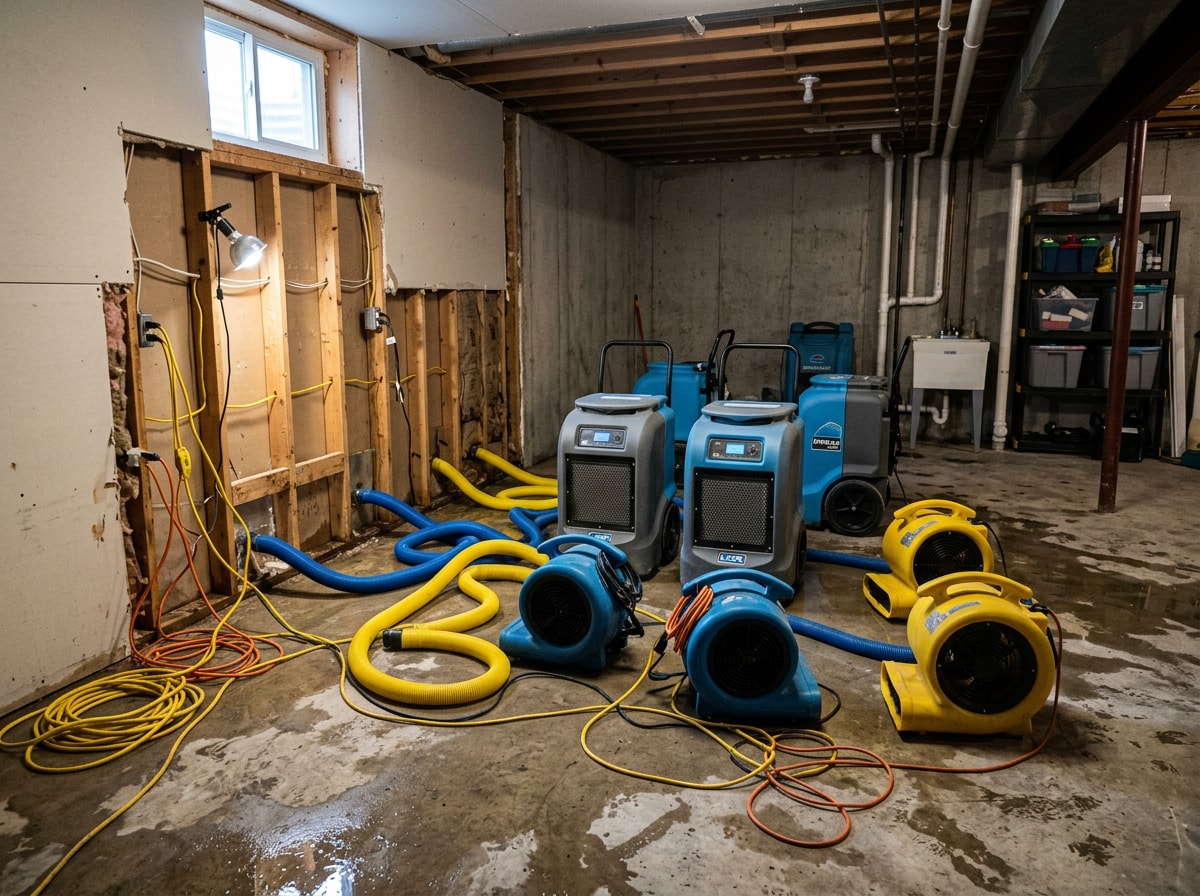
Most structures dry in three to seven days once extraction and dehumidification are underway, depending on water category and how much porous material absorbed moisture. Severe basement flooding with saturated drywall or flooring can take longer.
How fast does mold start after water damage?
Faster than most homeowners expect. When things remain wet for more than two days, they usually get moldy. That's why same-day extraction and drying matter more than almost any other step in the process.
Why does a sewer backup in Detroit cost more to clean up than a pipe burst in the suburbs?
Because combined sewers carry more than rainwater, a drain backup in Detroit is category 3, contaminated water. That changes the job from simple drying to containment, controlled material removal, and antimicrobial treatment, which costs more per square foot than a clean-water loss.
Can fixing my roof or gutters prevent future flood damage?
Often, yes. A large share of repeat basement flooding traces back to an exterior entry point such as a failing roof, clogged gutters dumping water at the foundation, or gapped siding. Addressing the exterior source alongside the interior cleanup is the difference between a one-time fix and a recurring problem.
Who do I call first, my insurance company or a restoration crew?
Call both within the same hour. A fast call to your insurer starts the claim clock, while a same-day restoration crew limits how much the loss spreads and gives you documented moisture readings your adjuster will want to see.