Water damage house repair costs in Saginaw County typically run from $1,200 for a small, contained clean-water leak to $9,000 or more for a flooded basement with contamination. Where your job lands in that range depends on six factors, and most homeowners only find out what they are after they've already signed a contract. Here's what actually drives the number, broken down by task, cause, and scenario.
Visit 800 New Look to see our services and request a free estimate.
How Much Does Water Damage Repair Cost in Saginaw County?
Most quotes we see across the county cluster into three tiers: small isolated leaks, mid-size single-room jobs, and full-structure losses involving a basement or crawl space.
| Severity | Typical Saginaw County Range | What's Usually Involved |
|---|---|---|
| Minor, contained leak | $1,200 – $2,500 | One room, clean water, no demolition |
| Moderate, multi-area damage | $2,500 – $6,000 | Drywall and flooring replacement, extended drying |
| Severe flooding or contamination | $6,000 – $9,000+ | Basement or crawl space, structural drying, mold risk |
These are starting points, not quotes. A certified technician still needs to open walls and check moisture behind baseboards before anyone can give you a firm number. Get a free estimate if you want that number for your specific property rather than a range.
What Drives Water Damage Repair Costs in Saginaw County
Six variables account for nearly all the price swing between one Saginaw County job and the next:
- Extent of damage – a small bathroom leak costs far less than a flooded basement spanning several rooms.
- Type of water – clean water from a supply line is cheapest to remediate, while grey water and black water require more protective equipment and disposal steps.
- Area affected – basements and crawl spaces usually cost more to dry than open living areas because of limited airflow.
- Materials involved – hardwood, tile, and custom cabinetry cost more to replace than carpet or standard drywall.
- Local labor and material rates – Saginaw County pricing runs close to, but sometimes slightly under, national averages.
- Timing of the call – emergency water damage service placed nights or weekends can add 15–25% to the final bill.
Water is officially sorted into three contamination categories under the restoration industry's consensus standard. Category 1 is clean water, Category 2 is gray water, Category 3 is black water , and each one calls for a different level of protective gear, disposal, and documentation. You can review the full IICRC S500 standard if you want the technical detail behind that classification.
Common Causes of Water Damage in Saginaw County Homes
Not every water loss starts with a burst pipe. The entry point matters just as much as the volume of water, since it determines which trade gets called first and how fast the leak gets found.
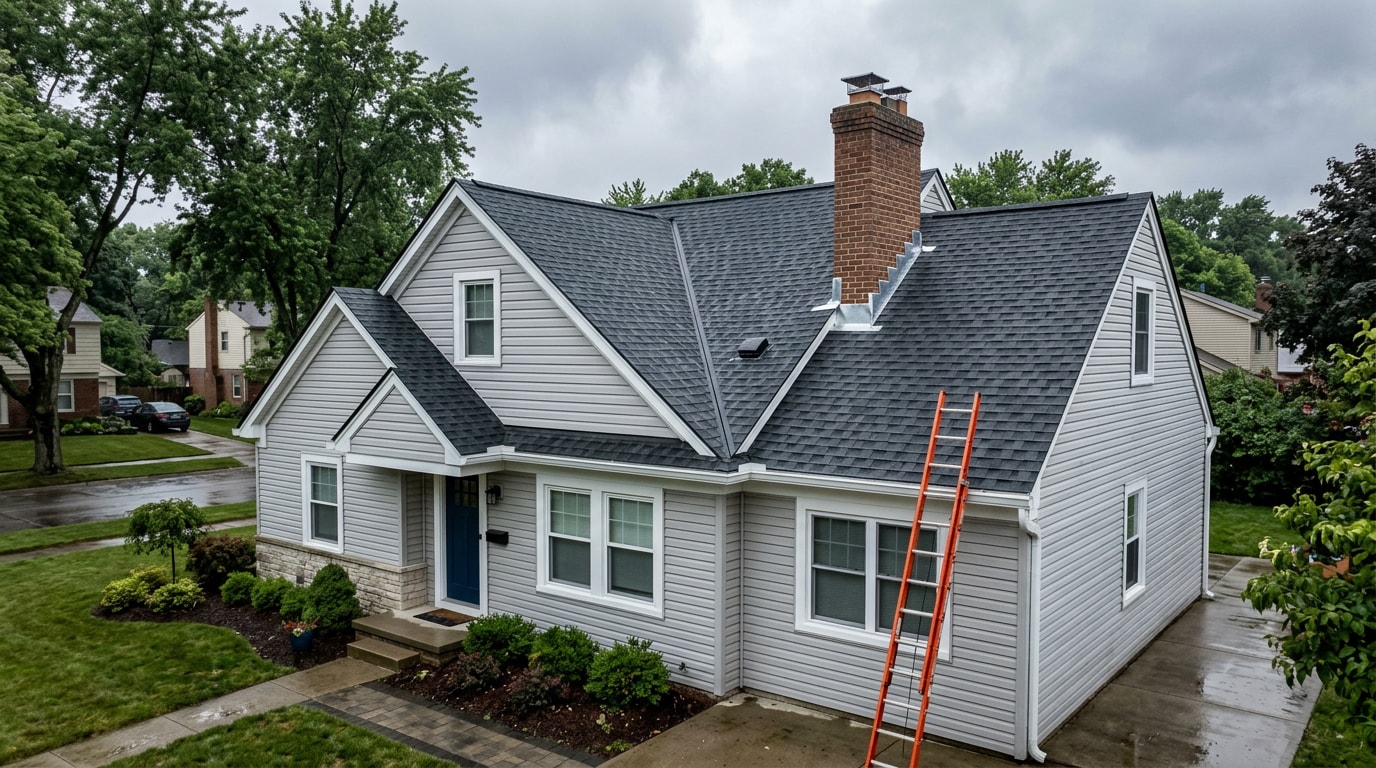
- Roof leaks from missing shingles or failed flashing, often not noticed until a ceiling stain appears. Storm damage roof repair addresses this before it reaches drywall.
- Clogged or damaged gutters that push water back toward the foundation instead of away from it. Storm damage gutter repair is the usual fix.
- Siding gaps or impact damage that let wind-driven rain behind the wall assembly. Storm damage siding repair closes that entry point.
- Window seal failures around older frames, common in Saginaw County's pre-1980s housing stock. Storm damage window repair covers this.
- Plumbing failures, including supply line breaks and water heater leaks, which account for most clean-water losses.
Common Water Damage Repair Tasks and Costs
Every restoration job breaks down into individual tasks, and pricing each one separately makes it easier to compare a contractor's estimate against typical ranges.
| Task | National Range (2026) | Saginaw County Range |
|---|---|---|
| Water extraction | $3.75–$7.50/sq ft | $3.50–$7.00/sq ft |
| Drying & dehumidifying | $1.00–$2.50/sq ft/day | $1.00–$2.25/sq ft/day |
| Drywall repair | $1.50–$3.00/sq ft | $1.40–$2.75/sq ft |
| Mold remediation | $1,500–$7,500 | $1,200–$6,500 |
| Flooring replacement | $3.00–$12.00/sq ft | $3.00–$10.50/sq ft |
| Plumbing repair | $200–$1,000 | $175–$900 |
| Electrical repair | $150–$500 | $150–$450 |
| Full restoration (avg. job) | $3,000–$8,000 | $2,700–$7,200 |
Saginaw County pricing tends to run slightly under national averages for most line items. That said, water extraction, drywall repair, mold remediation, and flooring replacement can still climb toward the top of these ranges for jobs involving black-water contamination or extensive structural drying.
What a Saginaw County Water Damage Quote Includes (And What It Doesn't)
Knowing what's baked into a typical quote, and what gets billed separately, helps you compare bids accurately instead of assuming the lowest number is the better deal.
What's Usually Included
A standard quote bundles:
- Material cost per square foot for replacement drywall, flooring, or insulation
- Labor for extraction, drying, and reconstruction crews
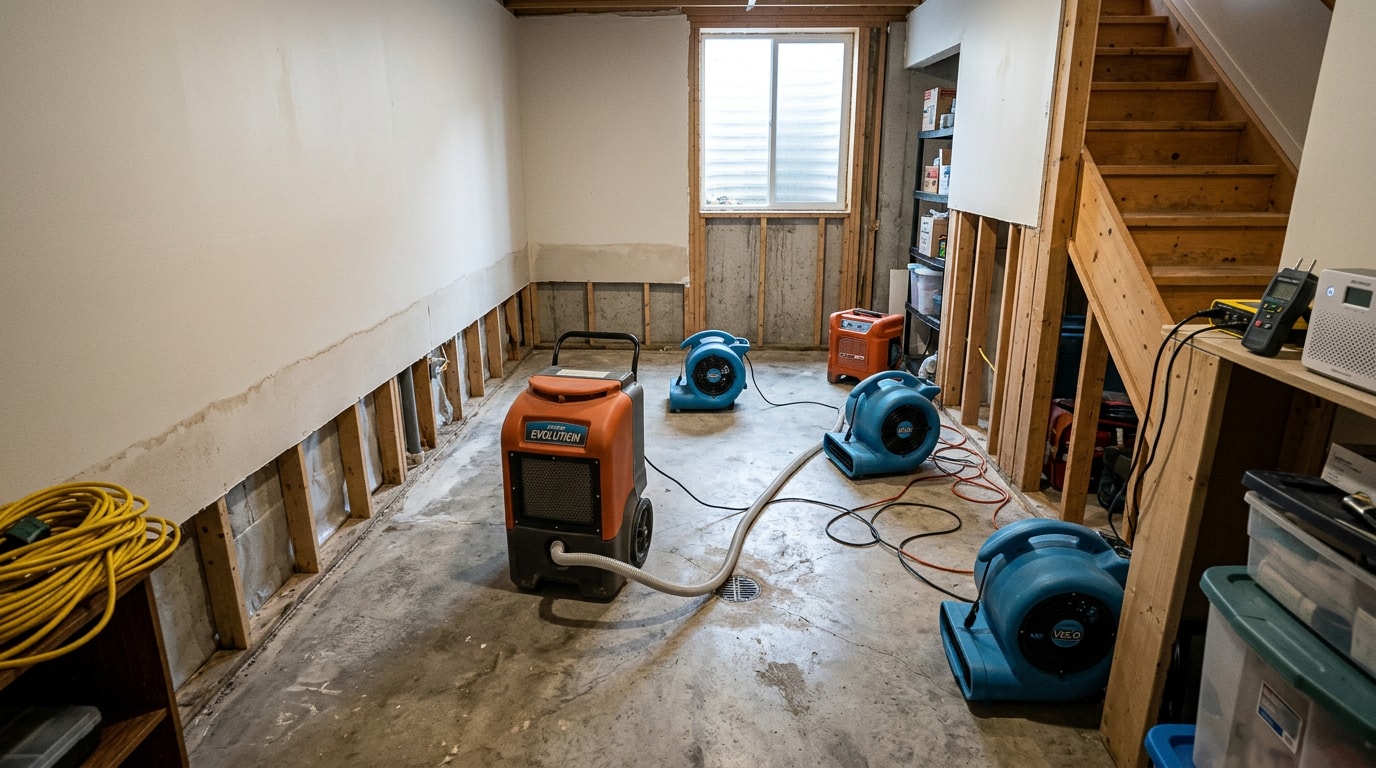
- Equipment rental (air movers, dehumidifiers, air scrubbers)
- Surface preparation, including removing damaged materials
- Final cleanup and debris haul-away
What's Usually Excluded
Most estimates leave out:
- Local building permits for electrical, plumbing, or structural work
- Inspection fees and sales tax on materials
- General contractor fees, typically 10–20% on top of subcontracted work
Permit requirements and fee schedules vary by township and city within Saginaw County, so it's worth a quick call to the local building department before assuming a quote is final.
Common Water Damage Scenarios and Associated Costs
Not every water damage job looks the same, and the scenario behind the damage affects cost as much as square footage does.
| Scenario | National Average | Saginaw County Average |
|---|---|---|
| Leaky roof water damage | $1,000–$4,000 | $900–$3,500 |
| Burst pipe repair | $1,000–$4,000 | $950–$3,800 |
| Flooding (storm/groundwater) | $3,000–$10,000+ | $2,800–$9,000+ |
| Sewage backup | $3,000–$8,000 | $2,750–$7,500 |
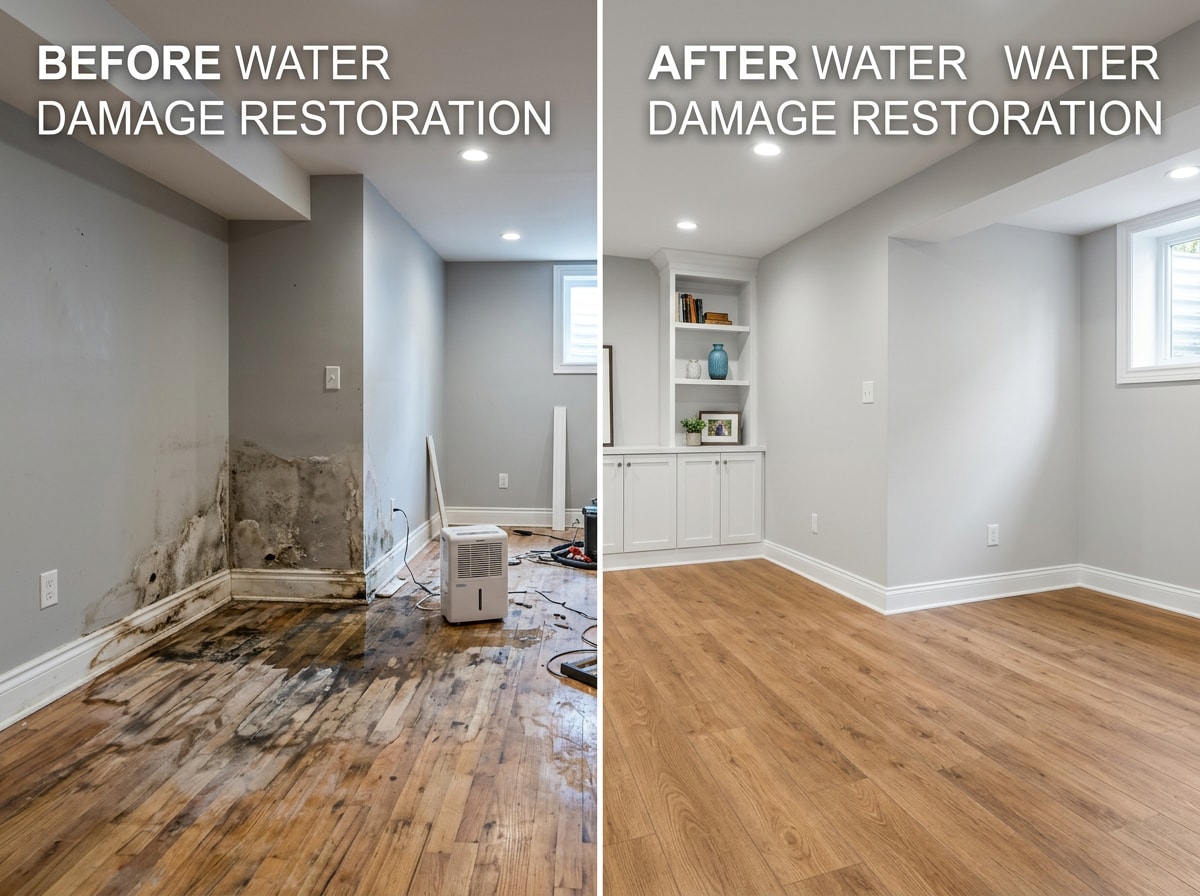
Severity and structural involvement explain most of the spread within each row. A burst pipe caught within hours might only need drying and a drywall patch, while one discovered days later can involve subfloor replacement and mold growth. Sewage backup cost sits higher across the board because contaminated water requires full material removal and disinfection rather than simple drying.
Why Saginaw County's Rivers Make This a Bigger Issue Than National Averages Suggest
Saginaw County sits at the confluence of the Saginaw and Tittabawassee Rivers, and that geography matters more than most cost guides mention. In May 2020, a stalled storm system brought record rainfall to the region, and significant flooding occurred along the Saginaw River and historic flooding along the Tittabawassee River in Midland county . That event pushed water into homes that had never flooded before, which is exactly the scenario that turns a routine insurance claim into a dispute over whether the damage was "sudden" or "gradual."
In jobs we've quoted across townships bordering those rivers, the single biggest swing factor isn't square footage. It's how many days the water sat before anyone called a contractor. A basement caught within 24 hours of a sump pump failure is a drying job. The same basement discovered after a weekend away is a mold remediation job, and that difference alone can double the invoice.
Mold Remediation: The Hidden Cost Multiplier
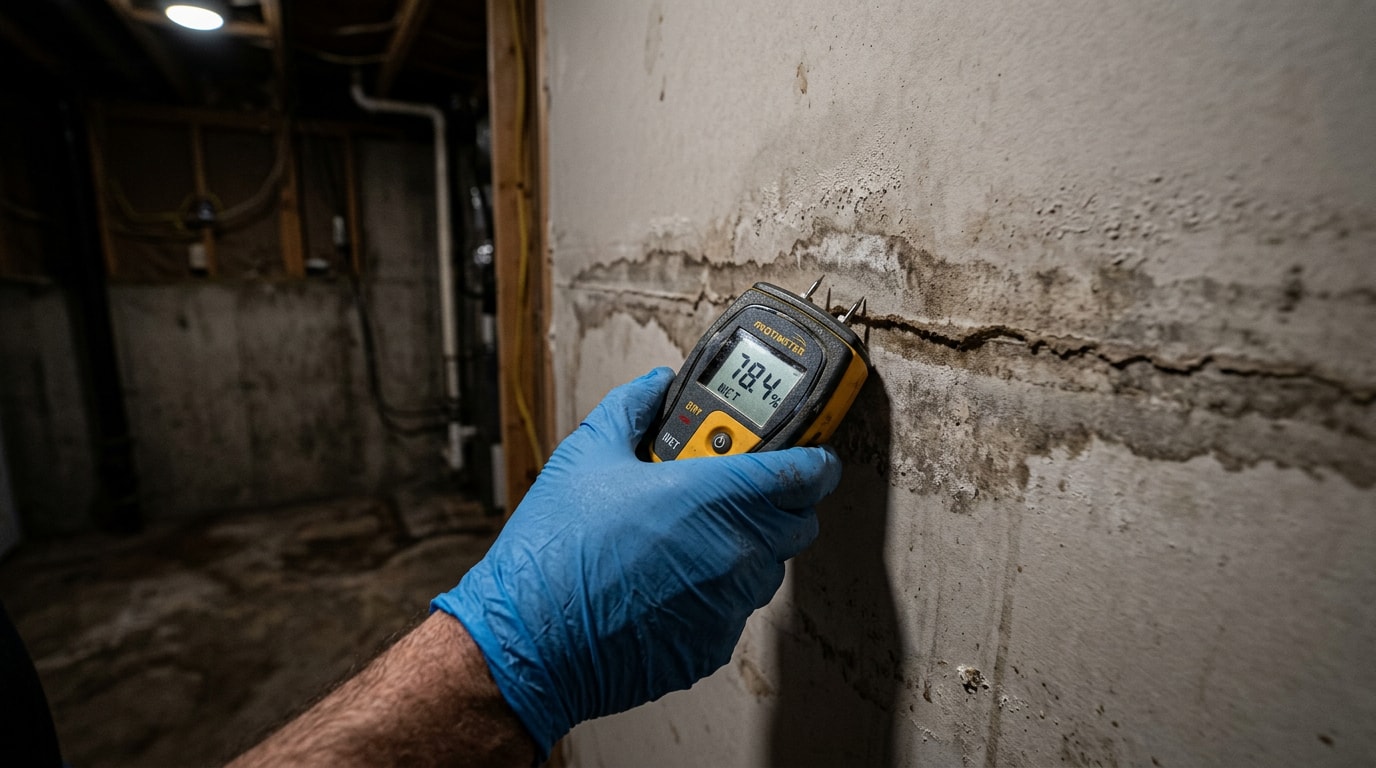
Mold remediation cost gets bundled into most water damage estimates because mold doesn't wait for a convenient time to show up. Mold can begin growing within 24 to 48 hours after water damage occurs, according to both the EPA and FEMA . That window is the reason restoration crews treat a wet basement as an emergency rather than a weekend project. You can review the EPA's mold and moisture guidance directly if you want the source behind that number.
Mold removal after water damage typically ranges from roughly $1,200 to $6,500 in Saginaw County, depending on how far the growth has spread and whether it's reachable without demolition. Enclosed spaces like crawl spaces, closets, and finished basements with poor airflow tend to push costs toward the higher end, since limited ventilation slows evaporation and gives mold more time to establish itself.
Homeowners dealing with visible growth or a musty odor after any water event should treat professional assessment as a priority, not an optional add-on. A short delay waiting on a slow insurance response is usually what turns a simple extraction job into a full remediation project.
Does Insurance Cover the Cost?
Most homeowners insurance policies cover sudden, accidental water events, like a burst pipe, but not gradual leaks that developed over weeks of deferred maintenance. Flooding from rising rivers falls outside that coverage entirely. Flood damage is not covered by homeowners insurance; homeowners and renters must buy a separate flood insurance policy, usually from the NFIP . You can check current coverage limits through FEMA's flood insurance program before assuming a river-related loss is covered.
Document the source and timeline of any leak before filing a claim. Adjusters often deny claims tied to long-term neglect rather than sudden failure, and that documentation is the difference between a paid claim and a denied one. If your water damage started with a roof, siding, or window failure, insurance claim roof assistance can help build that documentation correctly the first time.
Hiring a Professional for Water Damage Restoration
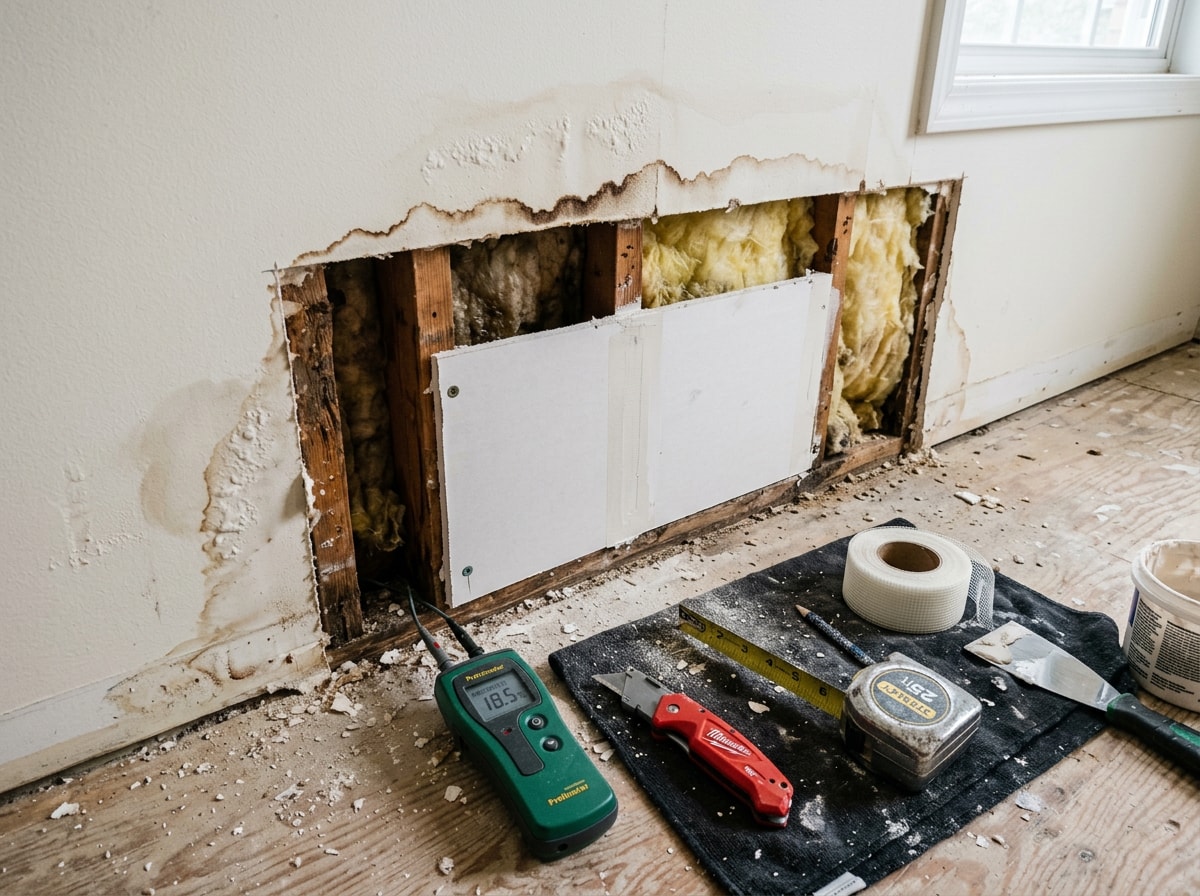
A written estimate only tells part of the story. Final cost usually shifts once a certified technician opens up walls, checks moisture levels behind baseboards, and confirms whether contamination is present. Professional assessment protects you from both under-scoping a job and finding mold three weeks later, and from overpaying for remediation work that isn't actually needed.
For homeowners dealing with a related structural issue, like water intrusion from an aging roof, our team has also covered what restoration-grade roofing work looks like for Wayne County homeowners, which applies to many of the same failure points we see in Saginaw County. If you're dealing with water-damaged contents like rugs or upholstery alongside structural repairs, our Saginaw County guide to rug water damage covers what to do before the restoration crew arrives.
Ready to get a number specific to your home instead of a range? Request a free estimate and a licensed estimator will walk the property, check moisture levels, and give you a written scope before any work starts. You can also browse our full range of storm-related roofing contractor services from the {{SITE_URL}}/ homepage.
FAQ
How much does water damage restoration cost in Saginaw County?
It typically ranges from $1,200 for a small, contained clean-water leak to $9,000 or more for extensive flooding or sewage contamination affecting multiple rooms. The exact price depends on the category of water involved, the square footage affected, and how quickly drying begins.
Does insurance cover water damage in Michigan?
Most homeowners policies cover sudden, accidental events like a burst pipe, but not gradual leaks from deferred maintenance. Flooding from rivers or heavy rain runoff requires separate flood insurance through the NFIP, since standard homeowners policies exclude it.
How long does water damage restoration take?
A minor, isolated leak can dry out in two to three days with commercial air movers and dehumidifiers running continuously. Larger jobs involving multiple rooms, subfloor removal, or mold remediation typically take one to three weeks from initial extraction to final repairs.
Can I do water damage cleanup myself?
Small, clean-water spills caught within a few hours can often be handled with fans and a wet vac. Anything involving standing water for more than 24 hours, a crawl space, or any contamination should go to a professional, since hidden moisture behind walls is easy to miss without a moisture meter.
What's the average cost to dry out a flooded basement?
Basement drying alone usually runs $1,000 to $2,500 for a single-day job, but full restoration, including drywall, flooring, and mold prevention, pushes the total toward $2,700 to $7,200 depending on how long the water sat before extraction started.