A water damage inspection Washtenaw County homeowners trust starts with one question: where is the water actually coming from, and how far has it traveled? Inspectors use moisture meters and thermal cameras to answer that before a single wall gets opened. Here's what the visit covers, what it costs in 2026, and how the Huron River's flood patterns shape the advice you'll get locally.
What to Expect From a Water Damage Inspection
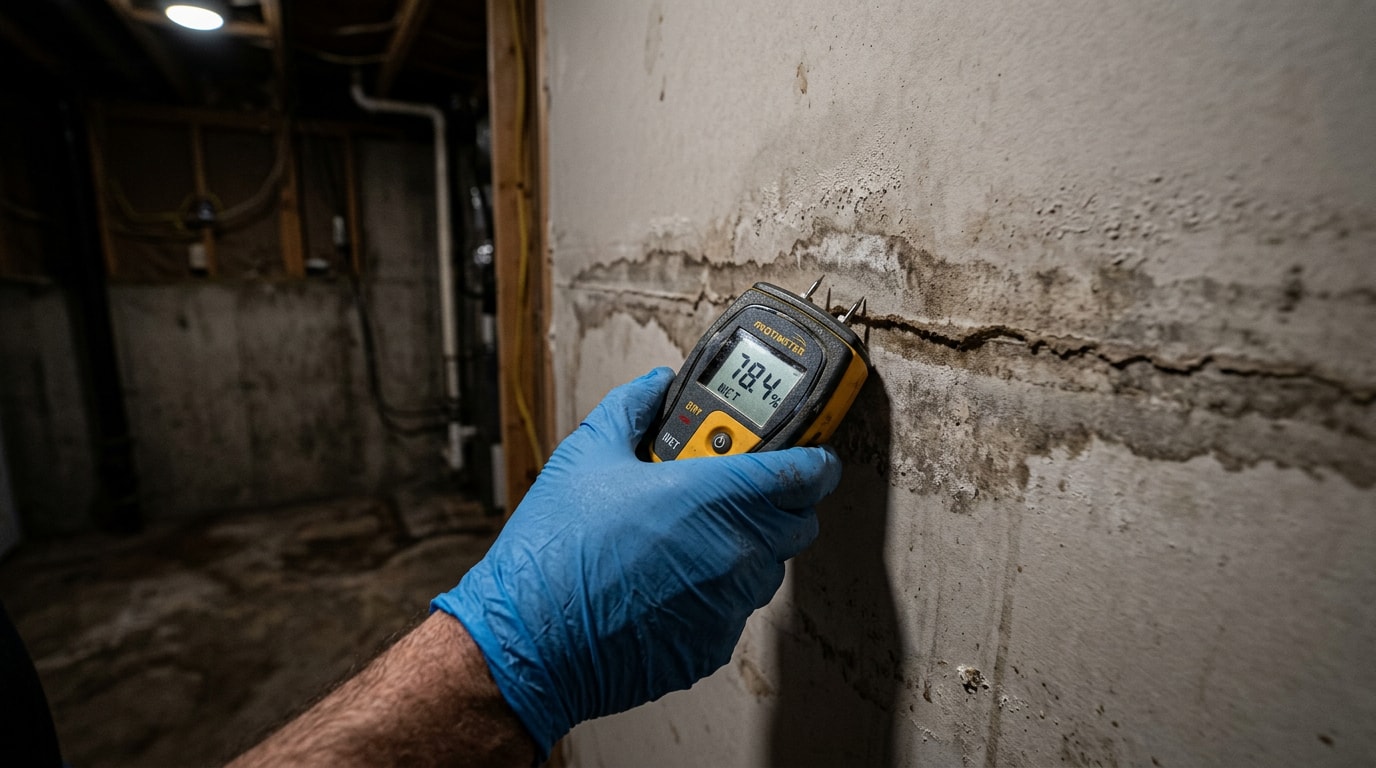
A water damage inspection starts with a visual walkthrough of every affected room, followed by moisture readings taken with handheld meters and thermal imaging cameras. The technician checks walls, flooring, and ceilings for signs of intrusion, including spots where nothing looks wet yet.
Most visits get scheduled within a day or two of your call. Documentation happens the whole time, through photos, moisture logs, and notes that later support an insurance claim.
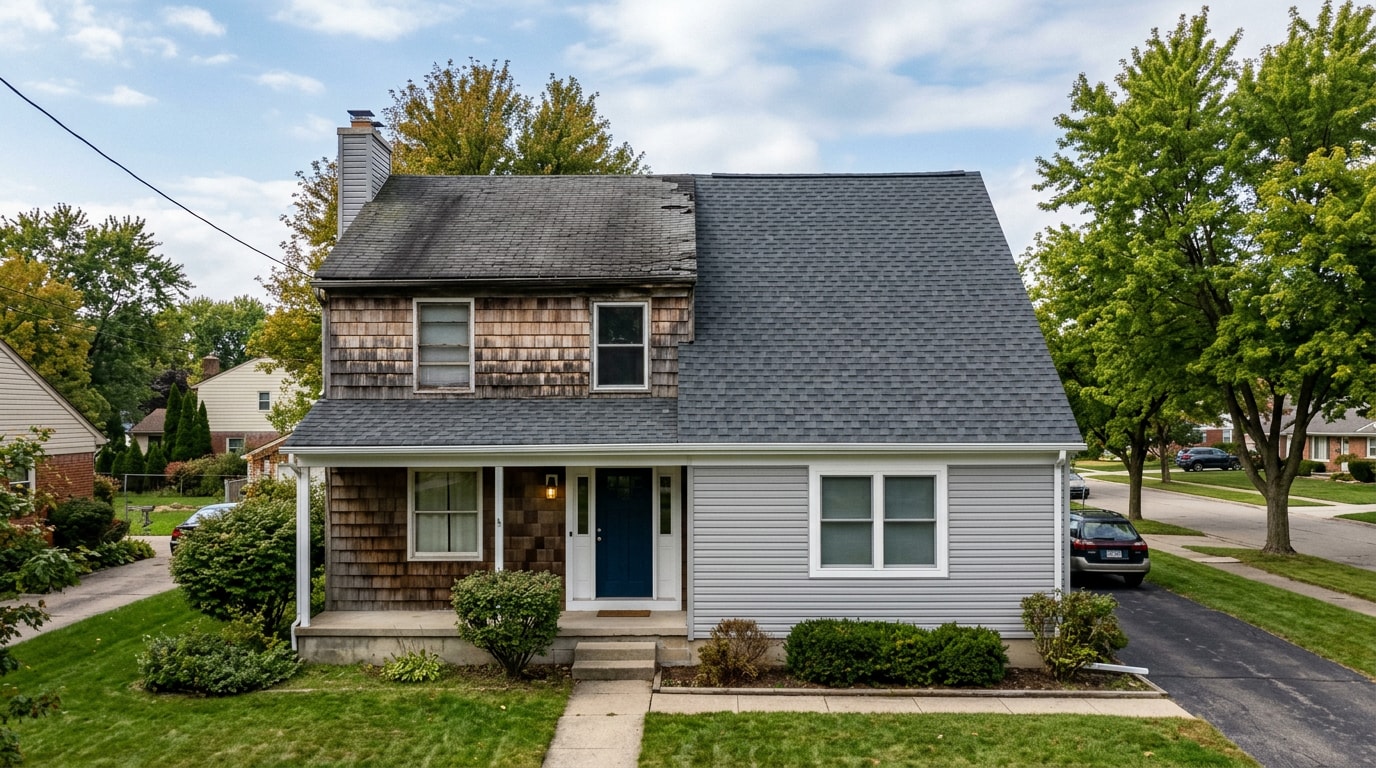
Our technicians inspect dozens of Washtenaw County basements and crawlspaces every storm season, and the source homeowners first suspect is wrong almost as often as it's right. A "roof leak" frequently turns out to be a clogged gutter backing water under the fascia, which is why we check the exterior as closely as the interior.
For homeowners across the county, this assessment is the foundation every drying and restoration decision gets built on. See the full range of water damage and restoration services available locally, or browse mold consulting services in Washtenaw County if the moisture has been sitting long enough to raise that concern.
Water Damage Inspection Cost in Washtenaw County (2026)
A standalone inspection costs less than a full restoration estimate because you're paying for assessment and documentation, not labor and drying equipment. Washtenaw County pricing tends to track close to, and sometimes slightly above, the Michigan state average because of regional labor rates.
| Service Type | Typical 2026 Price Range |
|---|---|
| Inspection only | $150–$400 |
| Inspection bundled into restoration | Often waived or credited toward the job |
| Inspection with insurance-ready documentation | $250–$500 |
Many companies apply the inspection fee toward the final restoration cost if you move forward with the same crew. If you want a number specific to your property, get a free estimate before you commit to anything.
The Water Damage Inspection Process, Step by Step
Think of the inspection as phase one of a standardized workflow. Once moisture is mapped, technicians move through extraction, stabilization, and drying, each step guided by what the inspection uncovered.
1. Assess and Map the Moisture
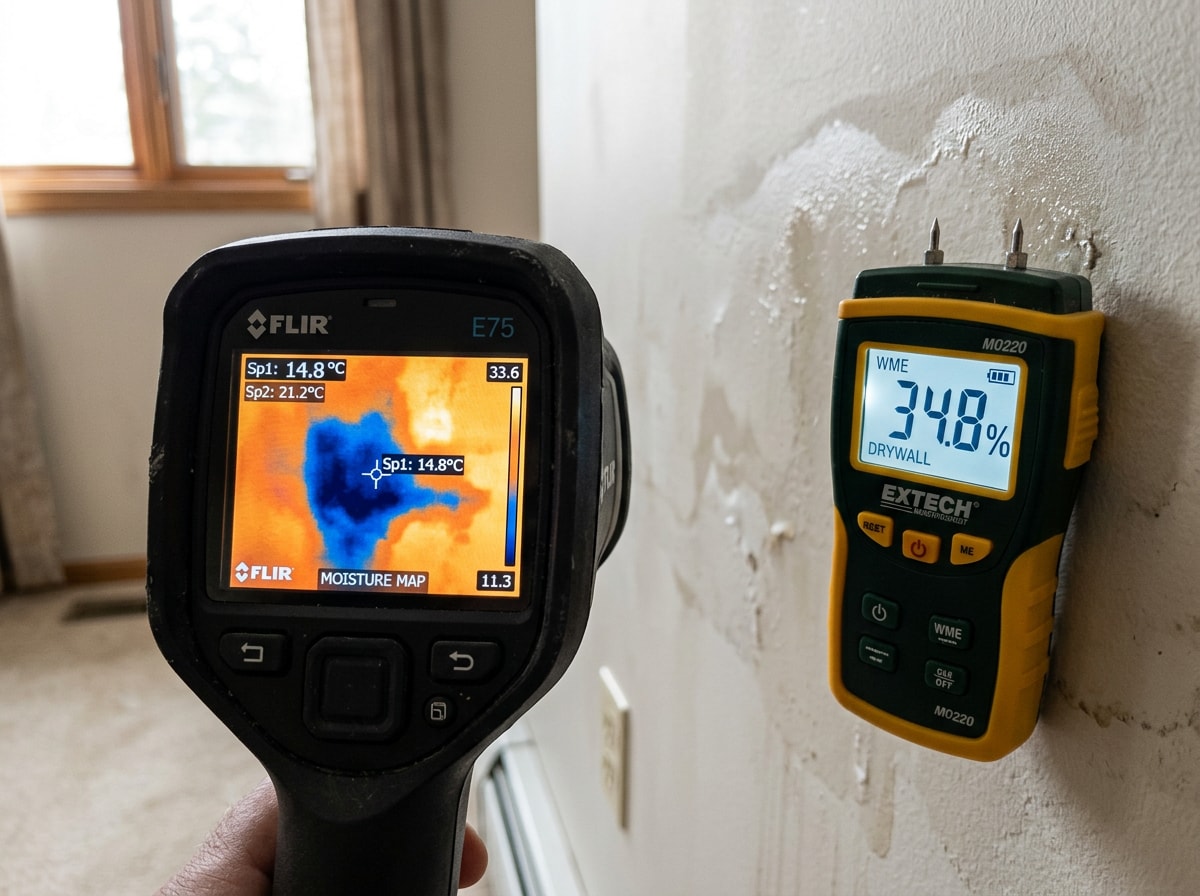
Technicians use thermal imaging cameras alongside penetrating and non-penetrating moisture meters to build a moisture map of the property. This reveals hidden water behind walls, under flooring, and inside cavities that a visual check alone would miss. The map becomes the baseline for every drying target set later in the job.
2. Extract, Stabilize, Dry
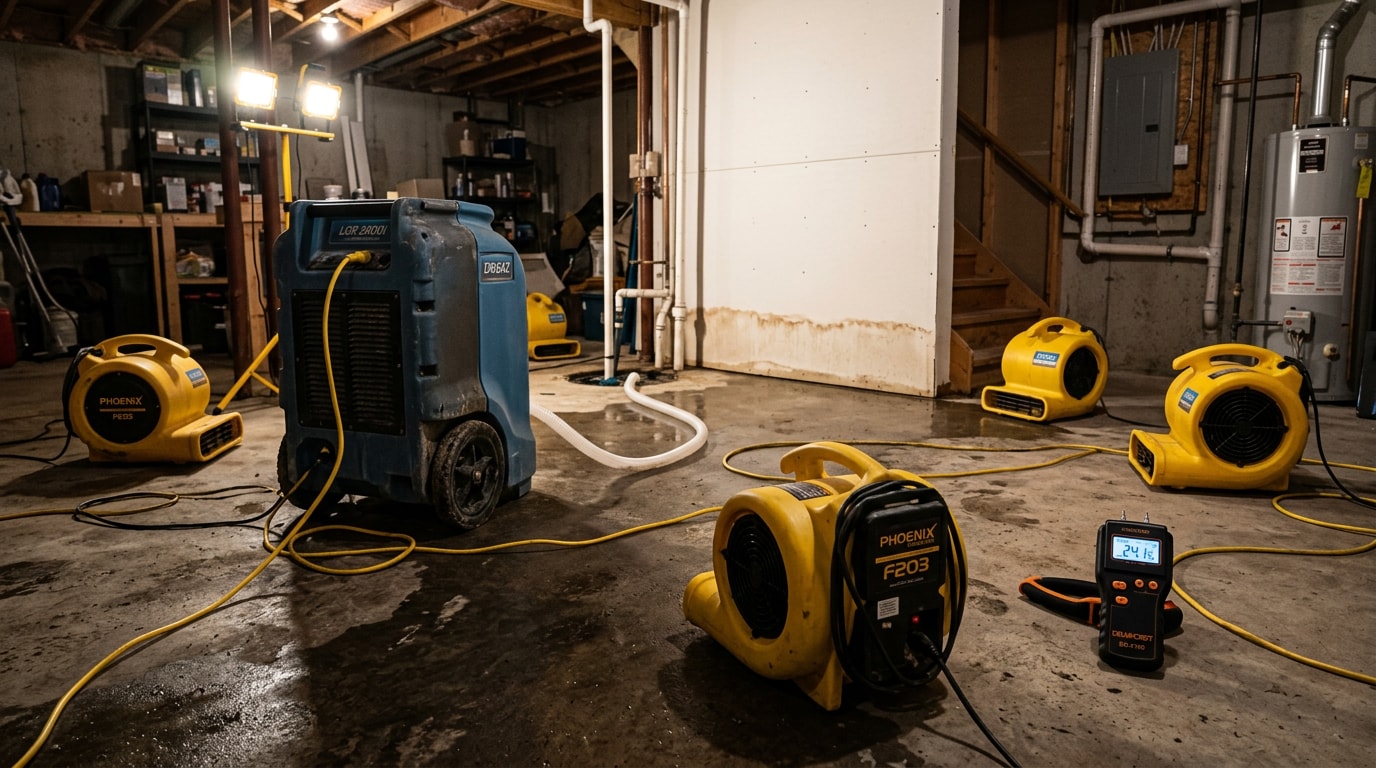
Once the moisture map is complete, crews extract standing water from the wettest areas first, then stabilize the structure to stop further damage. Air movers, dehumidifiers, and sometimes injection systems get placed based on the inspection's findings, not guesswork. Drying targets are set per material, from subfloor to drywall, so nothing gets dried too fast or left too wet.
3. Verify and Document
Before a job closes out, technicians return to verify moisture levels against dry-standard benchmarks for the materials involved. The ANSI/IICRC S500 standard is the reference most of the industry works from here; it describes the procedures to be followed and the precautions to be taken when performing water damage restoration in residential, commercial, and institutional buildings, and the systems and personal property contained within those structures . That final check gets logged alongside the original readings, creating documentation that supports your claim from start to finish.
What Happens After the Inspection: Mitigation and Source Control
Once an inspection confirms the scope of damage, mitigation technicians take over the hands-on work, before full restoration begins.
- Trace where the water went. Crews continue the mapping the inspection started, tracking how moisture moved into subfloors, baseboards, and insulation. This is an ongoing check while drying equipment runs, not a one-time snapshot.
- Find and stop the source. Inspectors across Washtenaw County commonly trace water damage to sump pump failures, roof leaks, burst pipes, or groundwater seepage into older basements. Stopping the source matters more than any amount of drying equipment if the leak is still active. If a storm-damaged roof is the culprit, storm damage roof repair needs to happen before drying can hold.
- Run dehumidifiers and protect the rest of the house. Dehumidifiers run continuously once the inspection sets drying targets, pulling moisture from the air to limit mold growth. Air movers typically run alongside them, while exposed surfaces may get treated for microbial growth, and unaffected belongings get protected from secondary damage.
Choosing a Professional Water Damage Inspection Company
Not every provider offers the same level of thoroughness. Look for:
- Technicians trained to IICRC-style standards with documented continuing education
- Access to moisture-mapping, thermal imaging, and calibrated meters, not just a flashlight and a guess
- A track record of documentation that insurance adjusters actually accept without pushback
- Willingness to walk you through findings in plain language, not just hand over a report
A vague or incomplete assessment can slow down reimbursement when a claim is on the line. If your damage traces back to storm-related siding, gutter, or window failures, ask whether the company also offers insurance claim roof assistance or similar help navigating the adjuster conversation, since that's often the slowest part of the process.
Michigan Rules, Licensing, and Disclosure
Michigan doesn't require a specific license for the inspection itself, but restoration work tied to structural repairs often falls under state building codes and licensing. The Michigan Department of Licensing and Regulatory Affairs (LARA) requires a residential or M&A license for anyone who is paid by a property owner to complete a construction or remodeling project worth $600 or more. That threshold catches most post-water-damage reconstruction work, so it's worth confirming a contractor's license status before signing anything. Michigan's Bureau of Construction Codes publishes current licensing and code requirements if you want to verify a contractor yourself.
Disclosure requirements can also come into play if you sell a property after water damage. Michigan sellers of residential property must provide buyers with a written disclosure statement describing the property's known condition before signing a purchase agreement, an obligation that comes from the Seller Disclosure Act (Act 92 of 1993), which covers everything from roof leaks and basement water to environmental hazards . A documented inspection and repair record protects you on both sides of that transaction.
Washtenaw County Flood Risk, Up Close
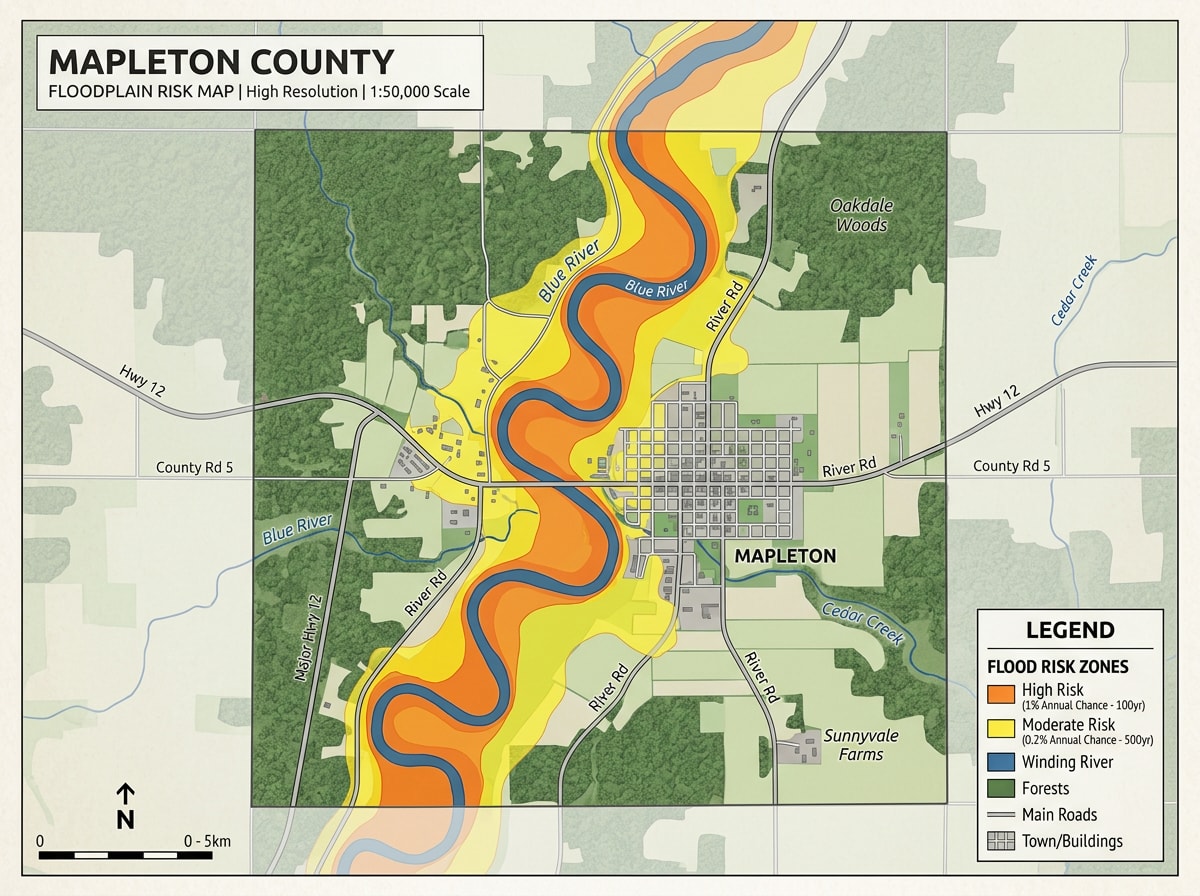
Washtenaw County's flood risk isn't uniform. Properties near the Huron River floodplain face higher odds of seasonal flooding, while the county's older housing stock, much of it built before modern waterproofing standards, tends to see more basement flooding from groundwater seepage and sump pump failure.
The river itself carries more weight here than in most counties it passes through. The City of Ann Arbor pulls approximately eighty percent of its drinking water from the Huron River, while the remainder comes from groundwater sources , which is part of why state and local agencies keep close watch on the watershed's condition. That attention has produced real changes to local flood exposure: the Washtenaw County Water Resources Commissioner is removing the Tyler and Beyer dams on Willow Run Creek, which will restore that section of the Huron River to a free-flowing waterway and remove the threat to human and environmental health from flooding . That's the kind of infrastructure change that can shift a neighborhood's flood exposure over the next few years, for better.
Local housing in Ann Arbor, Ypsilanti, and surrounding townships often relies heavily on sump pumps as a first line of defense, which makes power outages during storms a real vulnerability. If your gutters are part of the problem, a gutter replacement can redirect water away from the foundation before it ever reaches a sump pit. Checking your property's flood zone status is a reasonable first step for anyone near the river: the FEMA Flood Map Service Center is the official online location to find all flood hazard mapping products created under the National Flood Insurance Program, including your community's flood map .
FAQ
How long does a water damage inspection take?
Most residential inspections take between 30 and 90 minutes, depending on the size of the property and how many rooms show signs of water intrusion. Larger homes or multi-room damage can take longer.
Do I need to be present for the inspection?
It's recommended but not always required. Technicians need access to affected areas, so either you or someone authorized should be available to let them in and answer questions about what happened.
Does homeowners insurance cover water damage in Michigan?
It depends on the cause. Homeowners and renters insurance generally provides coverage for burst pipes, wind-driven rain, and damage from ice dams on your roof, since water that comes from the top down is usually covered . Gradual leaks, groundwater seepage, and flooding typically aren't covered under a standard policy, and about one in 60 insured homes has a property damage claim caused by water damage or freezing each year according to the Insurance Information Institute. Check your specific policy, since coverage varies by insurer.
How do mitigation and restoration differ?
Mitigation stops and limits damage immediately after water intrusion through extraction, drying, and stabilizing. Restoration comes after, rebuilding or repairing what was damaged. Inspection sits at the very start, informing both phases.
Is mold covered after water damage in Michigan?
Usually only if the water event that caused it was itself covered. If a sudden pipe burst caused the moisture and mold followed quickly, many policies cover remediation. If mold grew from a long-term undetected leak, most insurers treat it as a maintenance issue and deny the claim, which is another reason a documented inspection matters.
What should I do immediately after water damage?
Shut off the water source if it's safe to do so, move valuables and furniture away from wet areas, and call a professional inspector promptly. Acting fast limits how far moisture spreads before help arrives, and if storm damage is involved, our contact page is the fastest way to get a technician scheduled.