A general contractor fire restoration Oakland County homeowners can rely on needs to do more than vacuum soot off the walls. Fire damage touches framing, roofing, siding, and windows all at once, and juggling separate vendors for each slows down an already stressful rebuild. This guide walks through what the restoration process actually involves, what often gets missed on the exterior, and how to vet a contractor before you sign anything.
What a General Contractor Actually Handles After a Fire
Fire damage splits into three categories: structural damage from flames and heat, smoke and soot contamination that spreads through the whole structure, and water damage left behind by suppression efforts. Each category needs a different skill set, which is one reason a single licensed contractor coordinating all three saves homeowners weeks of back-and-forth.
This isn't a rare event. NFPA research puts the average at 328,590 home structure fires per year in the U.S. during recent reporting years, and a meaningful share of those involve enough structural loss that cosmetic cleaning alone won't fix the home.
Structural repairs, replacing framing, drywall, or load-bearing elements, legally require a licensed general contractor, not just a cleaning crew. Smoke and soot work calls for specialized deodorizing equipment, while standing water from firefighting hoses needs extraction before mold sets in. A cleanup crew can often handle the mitigation side, but only a licensed GC can sign off on the structural rebuild.
The Fire Damage Restoration Process
Restoration isn't one job, it's a sequence of phases. A general contractor who manages every step in-house keeps homeowners from having to coordinate separate vendors for board-up, cleaning, drying, and rebuilding.
| Phase | Typical Duration | Who's Involved |
|---|---|---|
| Emergency board-up | Same day | Restoration tech |
| Smoke & odor removal | 2–5 days | Restoration tech |
| Water extraction & drying | 3–7 days | Restoration tech |
| Exterior & structural reconstruction | 2 weeks–several months | Licensed general contractor |
Boarding up within hours, rather than days, is what keeps a small fire claim from turning into a secondary water or mold claim later on.
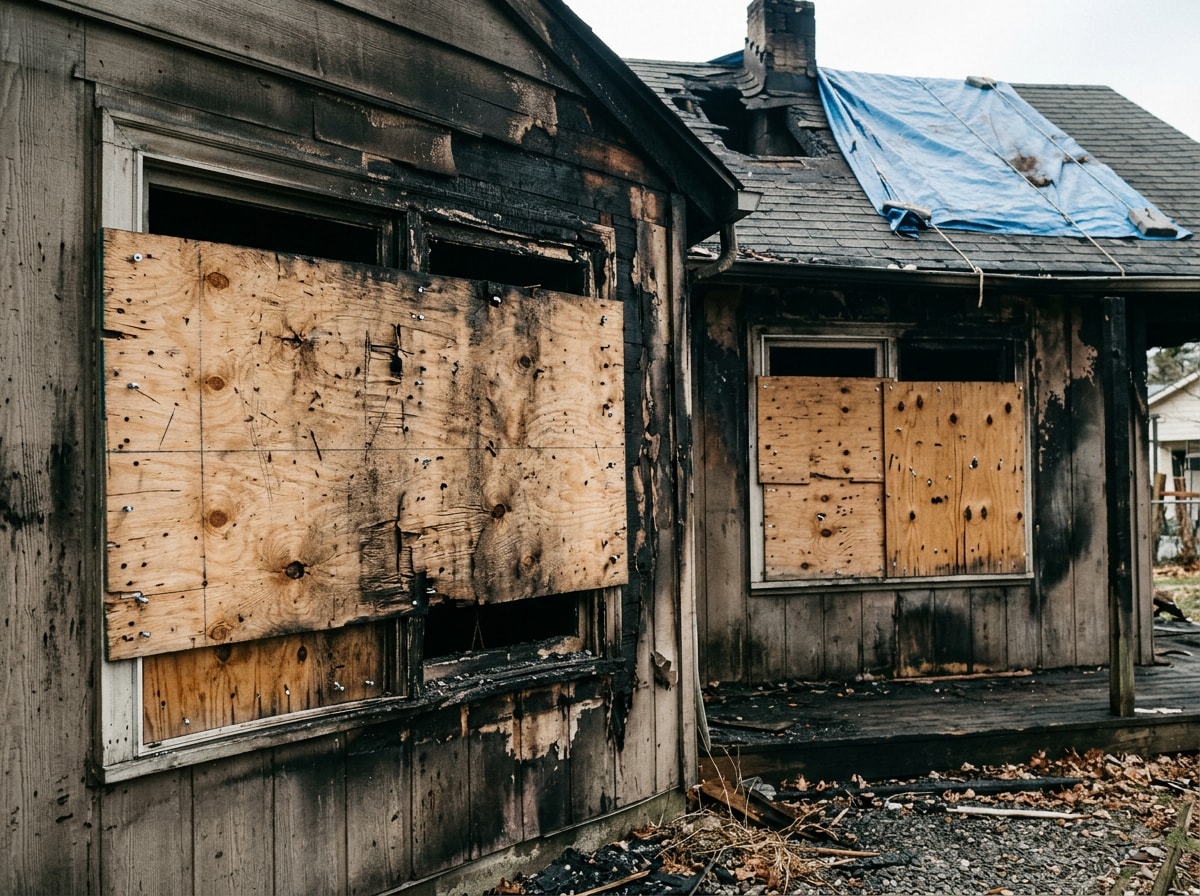
Step 1: Emergency Board-Up & Securing the Property
Emergency board-up covers exposed windows, doors, and roof openings right after the fire is out. Securing the property keeps out weather, animals, and trespassers while the full damage assessment happens. Crews often add temporary fencing around severely damaged structures for added security until reconstruction begins.
Step 2: Smoke Damage Restoration & Odor Removal
Smoke damage restoration relies on specialized equipment: air scrubbers filter particulates from the air, ozone generators and thermal fogging neutralize deep-set odors, and HEPA vacuuming or dry sponging lifts soot from surfaces without grinding it in further. IICRC published the First Edition of the ANSI/IICRC S700 Standard for Professional Fire and Smoke Damage Restoration in 2025 , giving the industry its first ANSI-reviewed benchmark for this work. Ask any contractor you're considering whether their technicians are trained against this standard.
Step 3: Water Damage Restoration & Drying
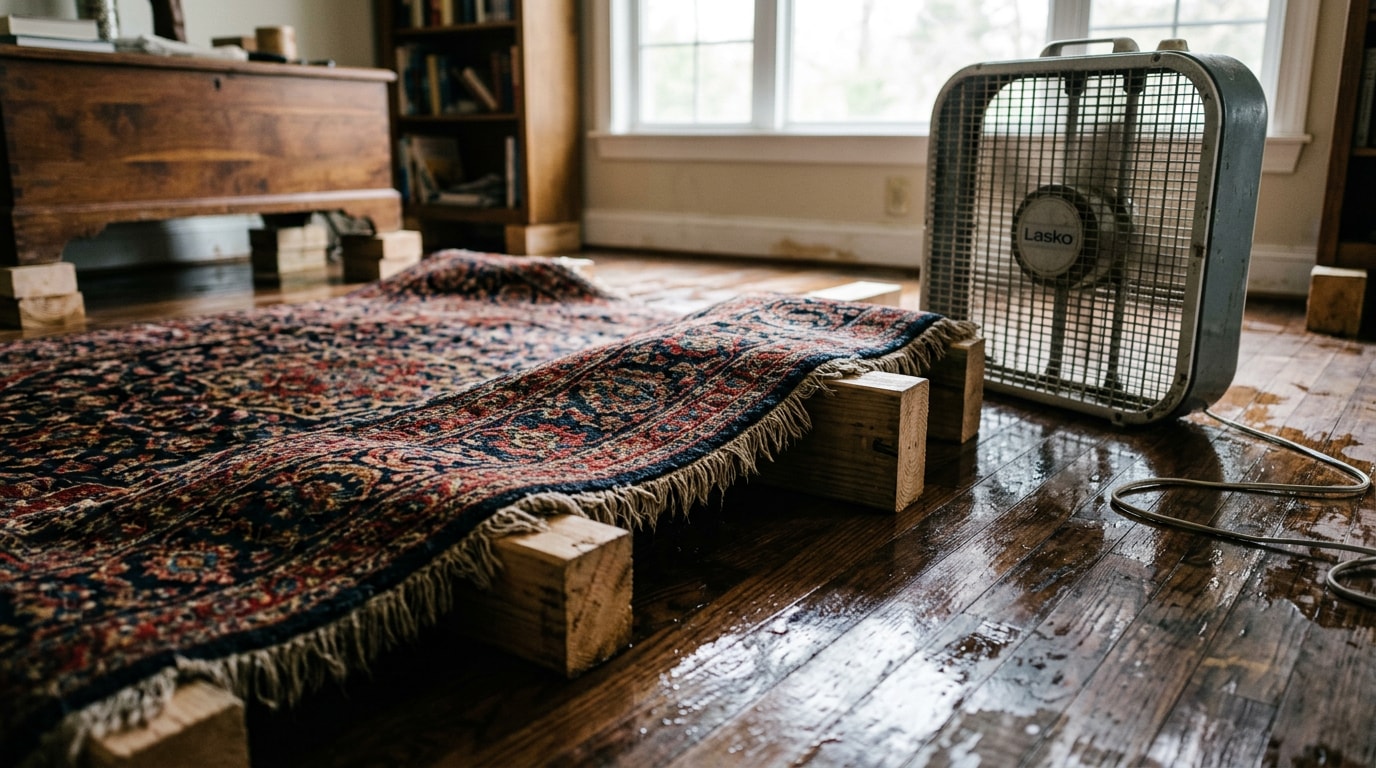
Water extraction pumps remove standing water left by firefighting efforts, while industrial dehumidifiers and air movers dry out framing, flooring, and drywall. This step is critical for mold prevention; moisture trapped behind walls after a fire can trigger mold growth within 24 to 48 hours if drying is delayed.
Why Roof, Siding, and Window Damage Drive the Rebuilding Scope
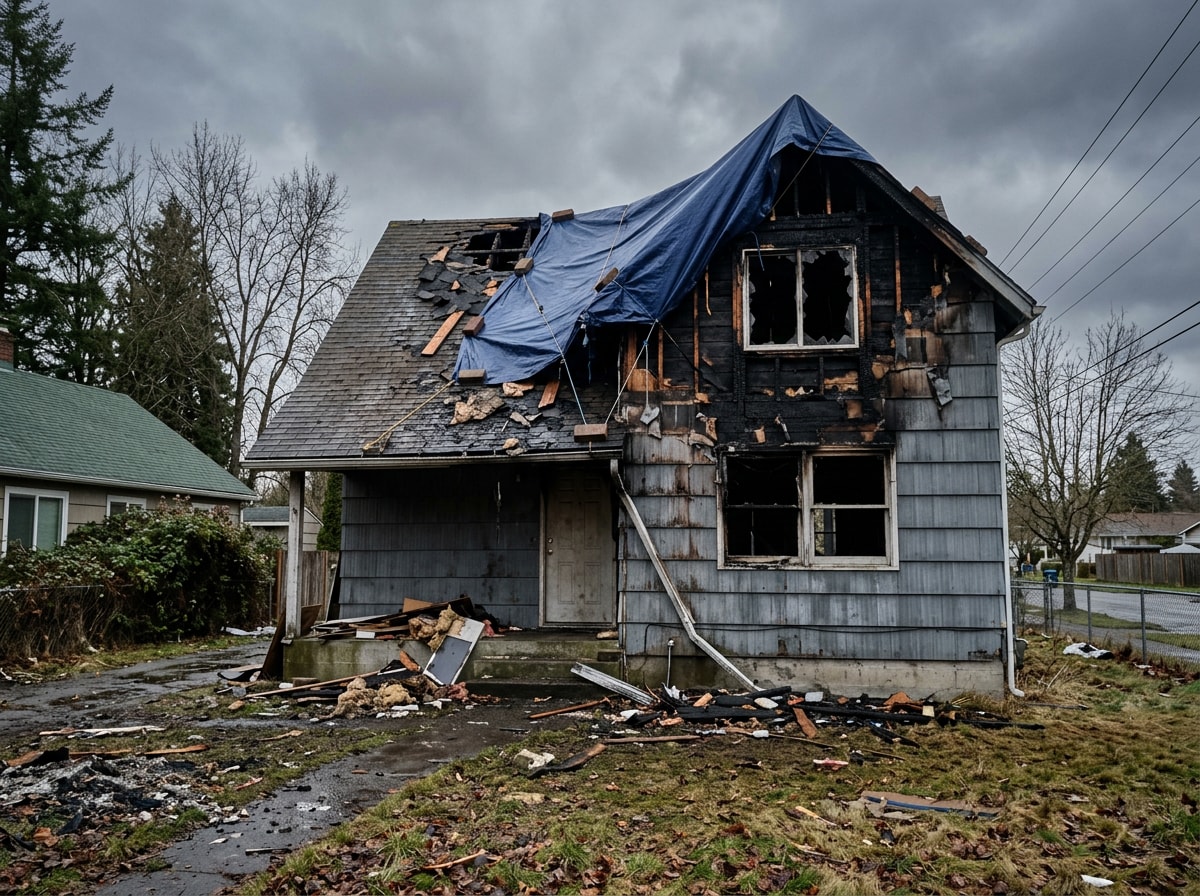
This is the part most fire-restoration guides skip: the exterior envelope almost always takes a bigger hit than homeowners expect, and it's rarely from the flames themselves. Cutting a hole in the roof of a burning structure is a standard firefighting tactic known as ventilation, used to let smoke and superheated gases escape so crews can see and work safely inside . That hole, plus the surrounding deck and underlayment, usually needs a full section replaced rather than a patch.
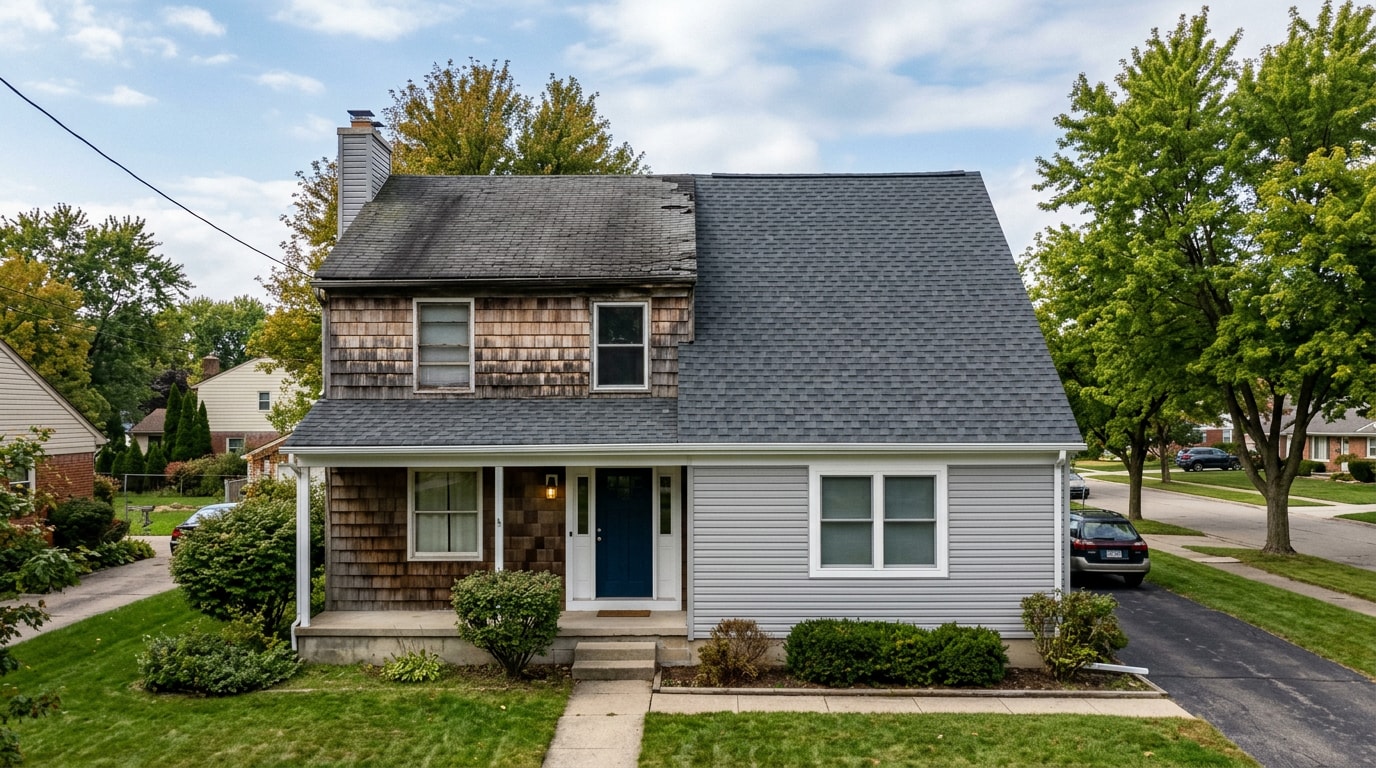
The same pattern shows up with siding and windows. Firefighters frequently break windows for ventilation or entry, and vinyl or wood siding near the fire's heat source can warp or melt even where flames never touched it directly. A contractor scoping the job only for interior smoke and water damage will miss these exterior line items, and insurance adjusters sometimes miss them too unless someone pushes back with documentation.
This is where a GC with roofing, siding, and window experience earns their fee. If the fire claim includes a ventilation hole or storm-grade roof damage, that portion of the rebuild should run through the same roofing contractor team handling storm damage roof repair or full roof replacement, not bolted on as an afterthought. The same goes for siding replacement and window replacement when heat or forced entry damaged those systems. Because this work is typically insurance-funded, confirming insurance claim roof assistance is available up front saves a lot of back-and-forth with the adjuster later.
What Damage Does Smoke Cause?
Smoke and soot don't stay on visible surfaces. They penetrate drywall, HVAC ducts, insulation, and fabric, leaving both odor and health risks behind. Soot particles are fine enough to settle deep into porous materials, which is why surface cleaning alone rarely solves the problem.
Beyond odor, airborne soot residue left in a home after a fire is a legitimate air-quality concern, not just a cosmetic one. Structural cleaning and odor neutralization done by a trained, GC-led team with proper containment reduces the chance of recontamination during later reconstruction work.
How to Vet a Fire Restoration General Contractor in Oakland County
A fire restoration company and a licensed general contractor aren't always the same business, and that distinction matters once the job moves past cleanup into rebuilding. Before hiring, confirm:
- 24/7 emergency response for board-up and initial mitigation, not next-business-day.
- Verifiable Michigan contractor licensing and insurance, not just a business card claim.
- IICRC-trained technicians on the smoke and water mitigation side.
- In-house roofing, siding, and window capability, so exterior damage isn't subcontracted to a third party you never vetted.
- Direct insurance billing experience, which cuts down the paperwork you're stuck managing.
- Local Oakland County permitting familiarity, since inspection timelines vary by township and city.
A contractor who bills insurers directly and has handled both the interior and exterior sides of a fire claim will almost always move faster through approvals than one coordinating multiple subcontractors.
Get a free estimate before you sign with the first company that calls after a fire; a second opinion costs nothing and often changes the scope of work.
Service Areas
Local fire restoration contractors familiar with Oakland County, Michigan permitting and building codes tend to move faster through inspections and approvals. Coverage commonly includes Troy, Rochester Hills, Birmingham, Bloomfield Hills, Southfield, and Farmington Hills.
Homeowners outside these specific communities are often still within the full Oakland County service area; it's worth confirming directly rather than assuming based on city name alone. For a related look at restoring other hard-hit property types after a disaster, see our guide to concrete restoration companies in Oakland County.
FAQ
How much does fire damage restoration cost?
Costs vary widely based on severity. Minor smoke damage might run a few thousand dollars, while major structural rebuilds involving roof, siding, and window replacement can reach six figures. Most costs are reimbursable through homeowners insurance when documented properly. Request a free estimate for specifics on your property.
How long does fire damage restoration take?
Minor damage might be resolved in days to a few weeks, while major structural rebuilds can take several months. In Oakland County, permitting and inspection timelines can add extra weeks to reconstruction, so ask a contractor for a realistic schedule upfront rather than a generic estimate.
Is fire damage restoration covered by insurance?
Most standard homeowners policies cover fire, smoke, and water damage from suppression efforts, though intentional loss is typically excluded. A fire is a devastating loss for any Michigander , and the Michigan Department of Insurance and Financial Services recommends reviewing your policy with your agent before assuming full coverage. A contractor experienced in direct insurance billing can simplify the claims process considerably.
Why did firefighters cut a hole in my roof, and is that covered?
Roof ventilation cuts are a standard firefighting tactic, not negligence, and the resulting damage is typically covered under the same fire claim as the rest of the loss. It often requires a larger repair than homeowners expect, sometimes a full section tear-off rather than a patch, so make sure your contractor documents and scopes it separately.
What should I do immediately after a fire?
First, confirm everyone is safe and don't re-enter the home until fire officials clear it. Call your insurance company to start the claim, document visible damage with photos, and contact a licensed general contractor for emergency board-up before weather or theft cause further harm. Starting with the homepage of a local contractor's site is a quick way to check service areas and request same-day contact.