Sewer backup restoration in Genesee County starts with stopping contaminated water at the source, containing the biohazard it leaves behind, and drying the structure before mold sets in. Flint-area basements sitting on combined sewer lines back up more often than newer suburbs, especially once spring rain overwhelms an aging system. Here's what to do in the first ten minutes, what our restoration process actually covers, and what drives the final bill.
Why Genesee County Sees More Sewer Backups Than Most of Michigan
Flint and the surrounding townships run on a mix of sanitary and combined sewer lines, many installed decades ago. Heavy rain or fast spring thaw pushes more water into those pipes than they were built to carry, and the overflow has nowhere to go but back up through the lowest drain in a house, usually a basement floor drain.
This isn't a hypothetical risk. In April 2026, the Genesee County Drain Commissioner's office asked residents in Argentine, Fenton, Linden, and Deerfield to limit shower, bath, and laundry water use to ease the burden on the sanitary sewer system and avoid backups. That kind of advisory is a direct signal that local sewer capacity is already stretched thin during storm season.
Our crews see the pattern repeat every spring: a hard rain hits, the system surcharges, and the first call we get is from a finished basement with water coming up through the floor drain instead of going down it.
24/7 Emergency Sewage Backup Response
Sewage backups don't wait for business hours, and every hour of delay lets Category 3 water spread deeper into drywall, insulation, and subfloor. Our emergency crew arrives ready to begin extraction and biohazard containment on the first visit, carrying the tools needed to start work immediately. Reach our team any time, day or night rather than waiting until morning.
How Fast Can a Crew Reach You?
Most Genesee County customers get a technician on site within two to four hours of calling. That window matters because raw sewage becomes more hazardous and more expensive to remediate the longer it sits untreated, so faster dispatch directly limits how much has to be torn out later.
What to Do in the First 10 Minutes After a Sewage Backup
A fast, correct response in the first few minutes limits both health risk and cost. Here's the order that matters:
- Shut off the main water supply so the backup doesn't keep growing.
- Turn off the HVAC system so contaminated air doesn't spread through the ducts.
- Move people and pets out of the affected area immediately.
- Avoid wading through standing water or touching contaminated surfaces.
- Call a certified restoration crew before you touch anything else.
Raw sewage carries bacteria, viruses, and parasites that pose a real health risk even in small amounts, so skip the mop and bucket and let trained technicians handle the contact.
Why Sewage Cleanup Isn't a DIY Job
Not all water damage is handled the same way. The restoration industry classifies water loss into three categories based on contamination level, and that category drives every decision that follows, from PPE to disposal.
| Category | Common Name | Typical Source | What It Requires |
|---|---|---|---|
| 1 | Clean water | Supply line break, appliance overflow | Standard extraction and drying |
| 2 | Gray water | Washing machine discharge, dishwasher backup | Disinfection plus extraction |
| 3 | Black water | Sewage, toilet backflow, floodwater | Containment, biohazard removal, antimicrobial treatment |
Sewage, wasteline backflows that originate from beyond any trap, and other contaminated water entering a structure all fall under Category 3 under the industry's governing standard. Porous materials that soak up Category 3 water are generally discarded, not dried, because there is no reliable way to confirm they're safe again. DIY attempts almost always skip that step, which is how a weekend cleanup turns into a mold problem six months later.
Our Sewage Backup Restoration Process
Containment and Extraction
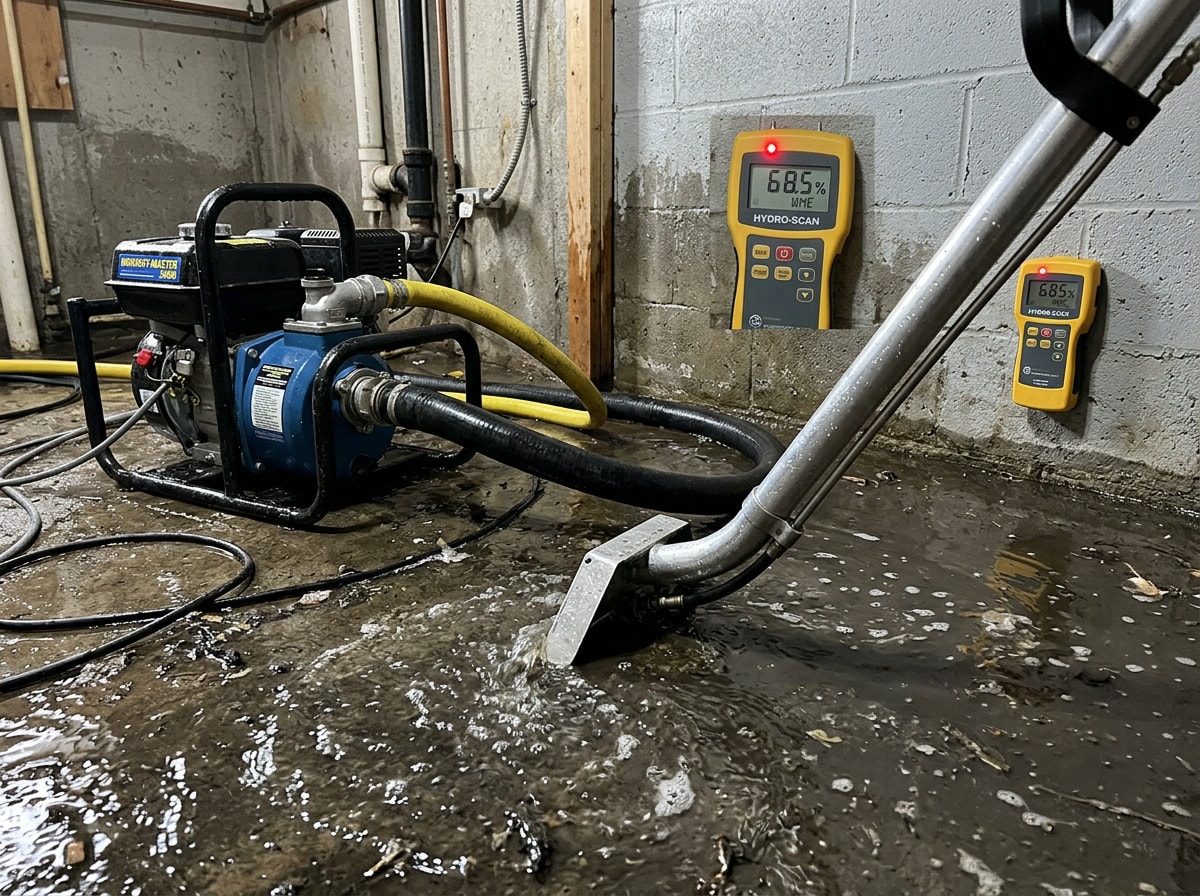
Technicians seal off the affected area first, then begin black water extraction with pumps and specialized vacuums rated for contaminated water. Contamination control comes before cosmetics every time, since the priority is stopping the spread, not making the room look clean.
Sanitization and Drying
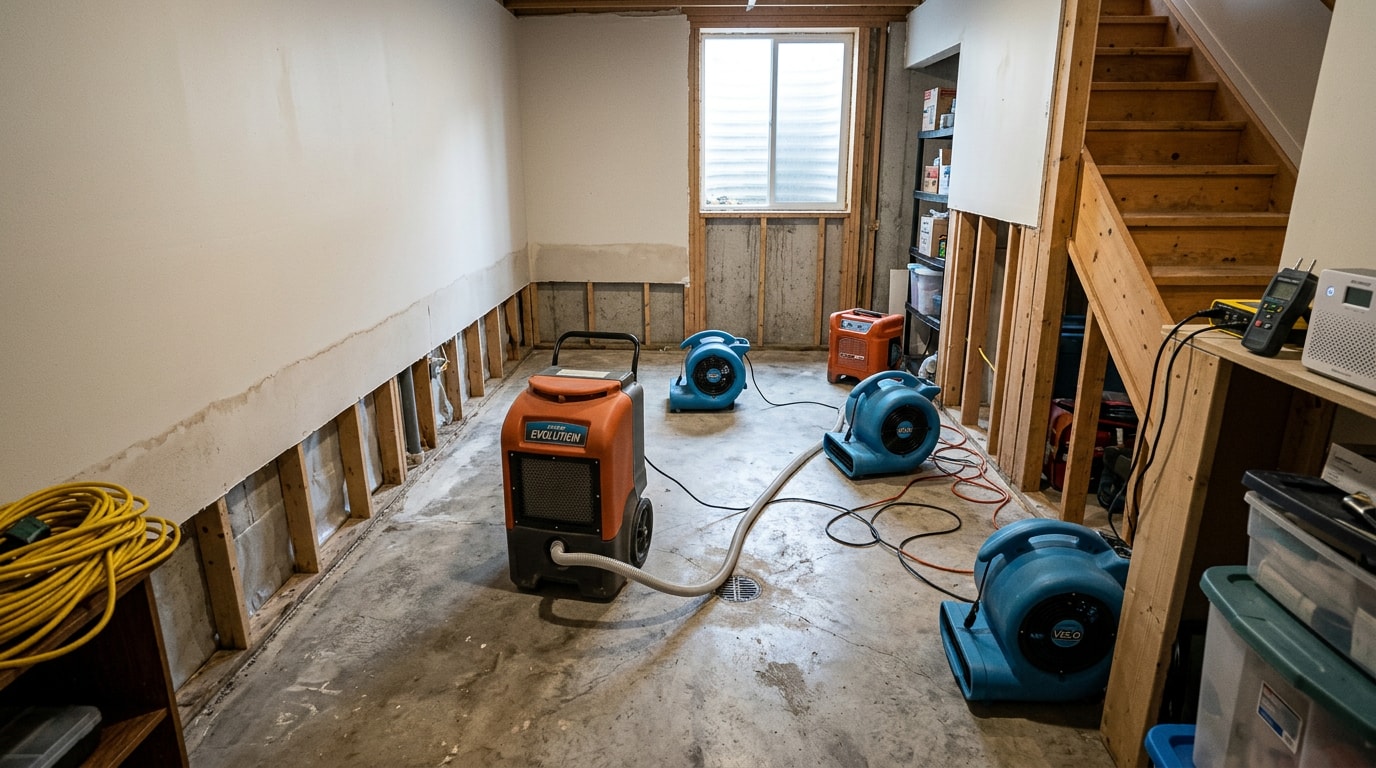
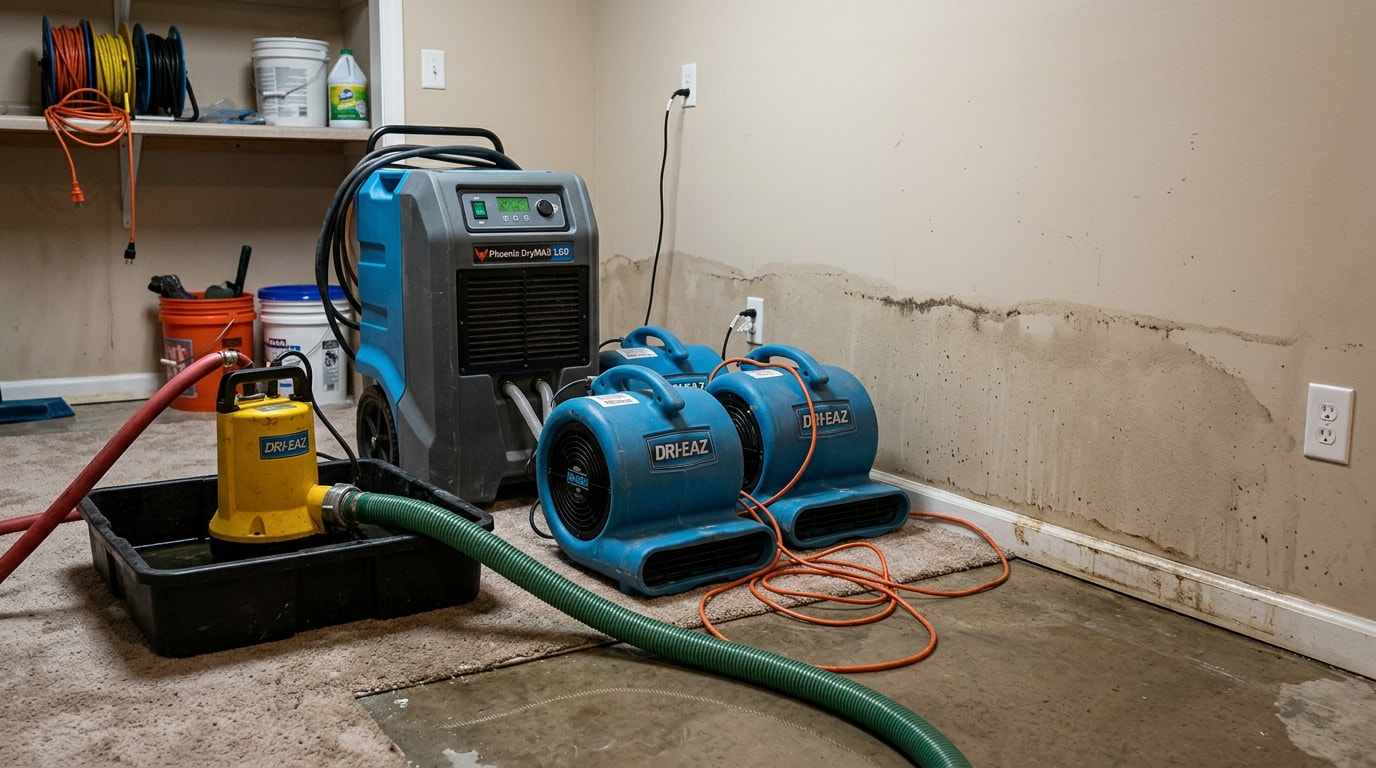
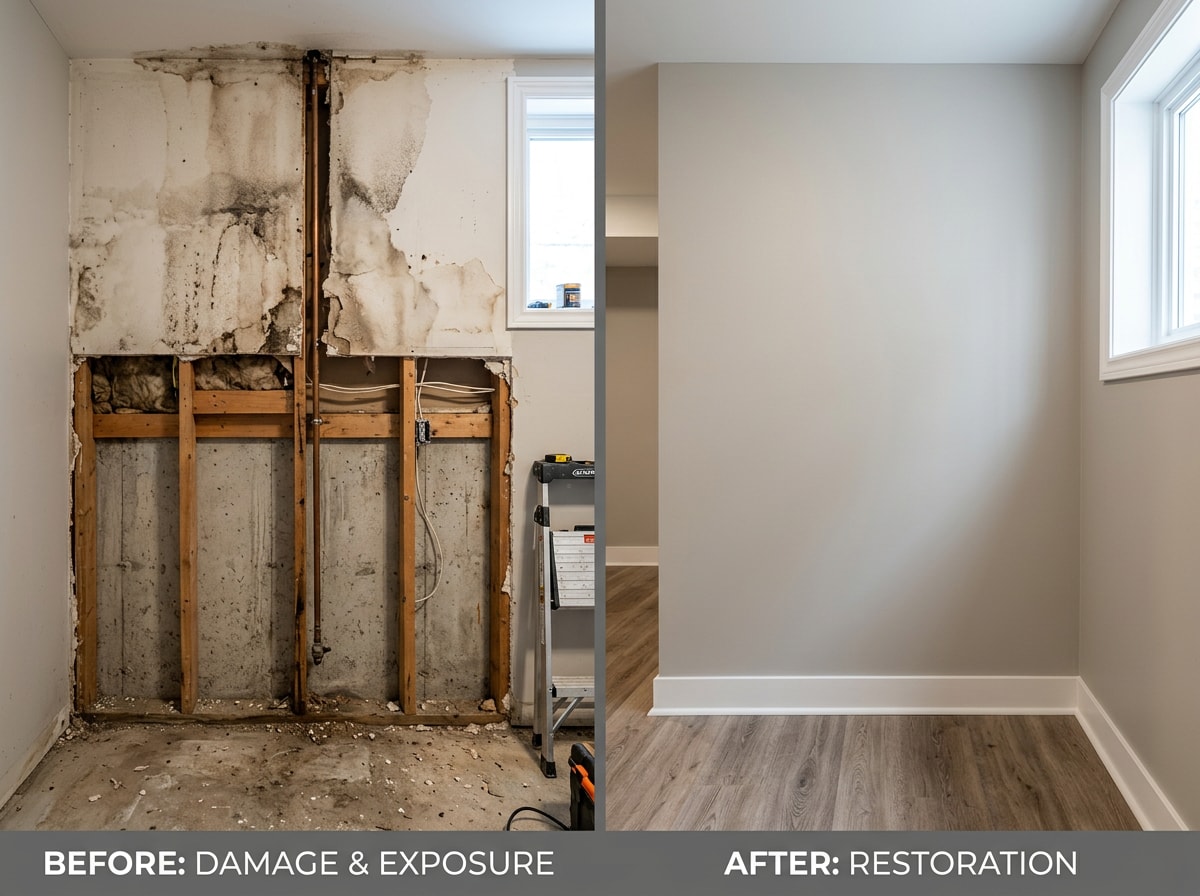
Once contaminated materials are removed, crews apply antimicrobial treatment to every surface the water touched, not just the spots that look dirty. Moisture meters and thermal cameras find hidden damp pockets behind walls and under flooring that would otherwise turn into mold. For a finished basement after a spring thaw backup, confirming the structure is fully dry can realistically take three to five days.
Structural Restoration
The final phase repairs drywall, flooring, and trim to return the space to its pre-loss condition. A final inspection confirms moisture levels and sanitation meet safe standards before anyone moves back in. This sequence, start to finish, is usually the difference between a repair that holds and one that resurfaces as mold months later.
Additional Specialty Services
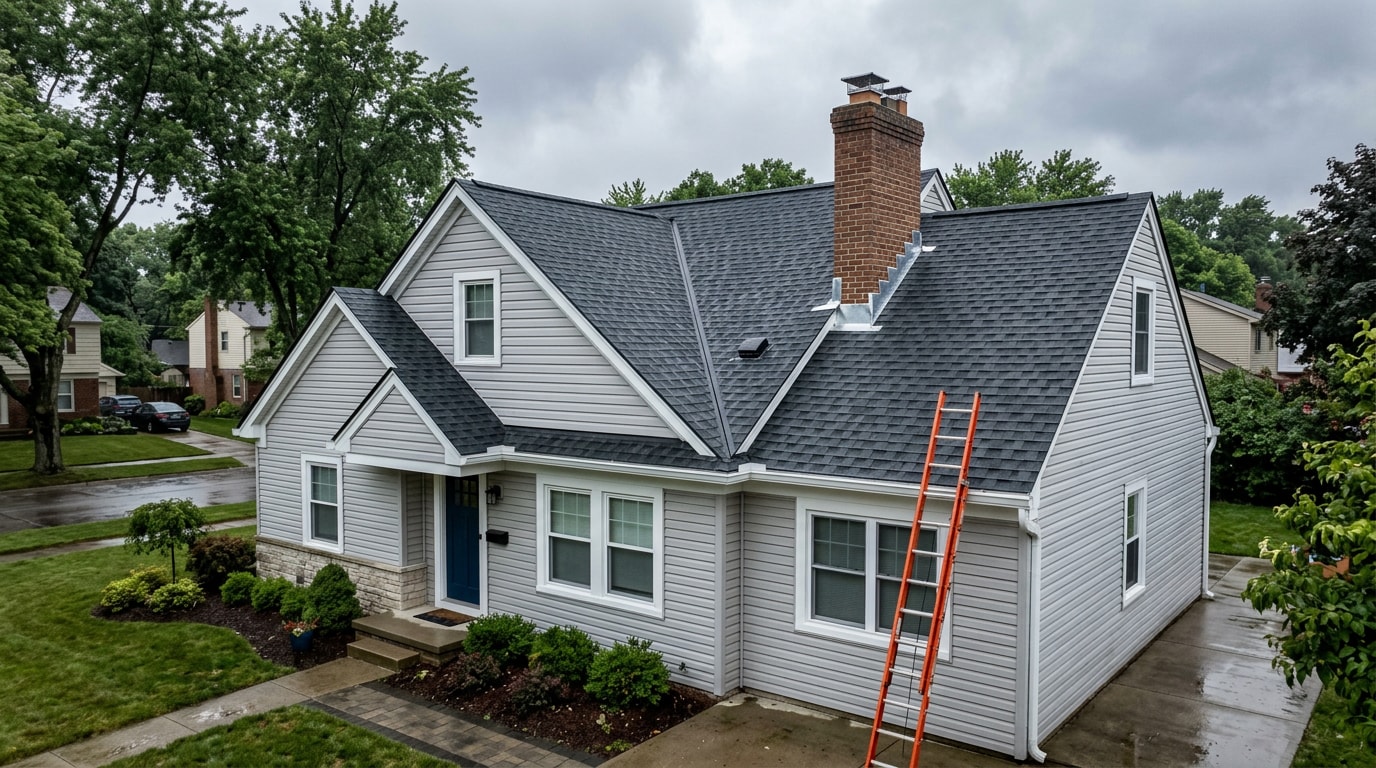
A sewage backup often calls for more than extraction and drying. Our team also handles biohazard and crime scene cleanup, virus and pathogen disinfection, carpet and upholstery cleaning, and odor removal, because contamination lingers in soft materials long after the visible water is gone. If the same storm that caused the backup also damaged your roof or gutters, it's worth having both inspected together. Our storm damage roof repair team can assess that separately so nothing gets missed on the claim.
What Drives Sewage Cleanup Costs in Genesee County
Four factors drive the final cost of a sewage cleanup job, and calling early almost always lowers all four:
| Factor | Why It Matters |
|---|---|
| Water category | Category 3 water requires biohazard protocols and disposal of porous materials, not just drying |
| Response time | Contamination wicks deeper into drywall and subfloor the longer it sits before extraction |
| Materials affected | Carpet, insulation, and drywall usually must be replaced; tile and concrete can often be sanitized in place |
| Scope of tear-out | Wall and flooring removal adds labor and rebuild time well beyond basic extraction |
If your backup followed a larger storm event rather than an isolated plumbing failure, our flood clean-up guide for Genesee County walks through what a full flood response adds to the scope and timeline.
Request a free estimate before the damage spreads further and the tear-out list grows.
Will Your Homeowners Insurance Cover It?
This is the question most homeowners ask right after the cleanup crew leaves. Sewer backups are not covered under a typical homeowners insurance policy, nor are they covered by flood insurance; that coverage has to be purchased separately or added as an endorsement. If you added a water or sewer backup endorsement when you bought your policy, this is the loss it exists for.
Documenting the damage from minute one, photos, moisture logs, and a written scope, strengthens your position with an adjuster regardless of which policy applies. If the same storm also affected your roof, our insurance claim roof assistance team can help make sure that portion of the claim is documented correctly too.
For homeowners anywhere in Southeast Michigan comparing restoration providers, HailStorm Pros handles both the water mitigation and any related exterior storm damage under one roof, which keeps the claim and the repair timeline aligned instead of juggling two separate contractors.
FAQ
Does homeowners insurance cover sewer backup in Michigan?
Not under a standard policy. You need a water or sewer backup endorsement added to your homeowners insurance, since both standard policies and flood insurance exclude this type of loss on their own.
What should I do in the first 10 minutes after a sewage backup?
Shut off the main water supply, turn off the HVAC system, get people and pets out of the area, and call a certified restoration crew. Don't touch standing water or walk through it.
Can I stay in my house during sewage cleanup?
You can usually stay in unaffected parts of the home, but the contaminated area itself should be closed off until containment and extraction are finished. For a widespread basement backup, air quality and odor can make the whole lower level uncomfortable until sanitization is complete.
How long does sewage cleanup take?
Extraction and disinfection for a contained backup often wrap up in two to four days. A full rebuild involving drywall, flooring, or structural repair can take one to several weeks, depending on how much material was affected.
Can a sewage backup make you sick?
Yes. Raw sewage carries bacteria, viruses, protozoa, intestinal worms, and inhaled molds and fungi, and exposure can cause illnesses ranging from mild gastroenteritis to severe, life-threatening conditions. That's why contact with standing sewage water should be left to technicians in proper protective gear.
What causes most sewer backups in Genesee County specifically?
Aging combined sewer lines that carry both stormwater and sewage in the same pipe, tree root intrusion into older clay laterals, and sudden heavy rain that overwhelms system capacity. Spring thaw adds groundwater infiltration on top of all three.