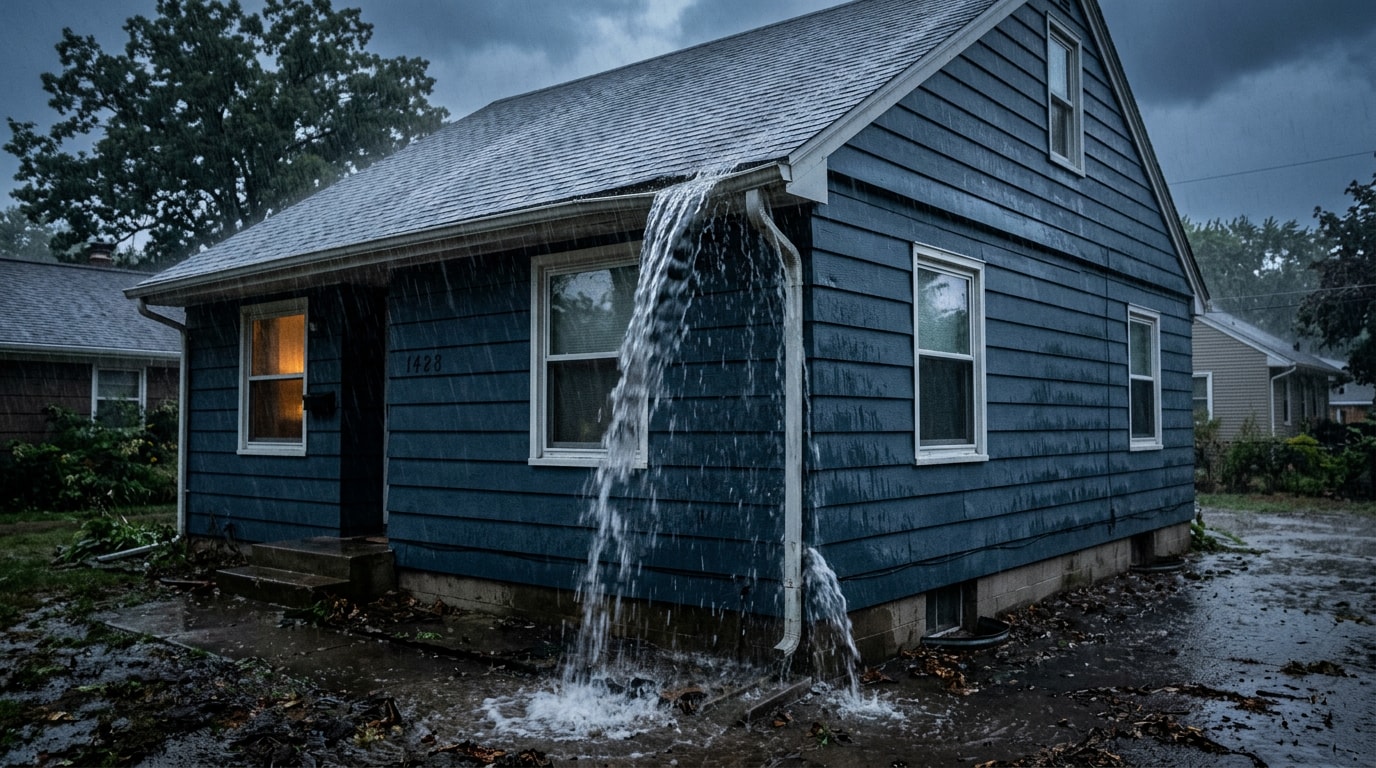
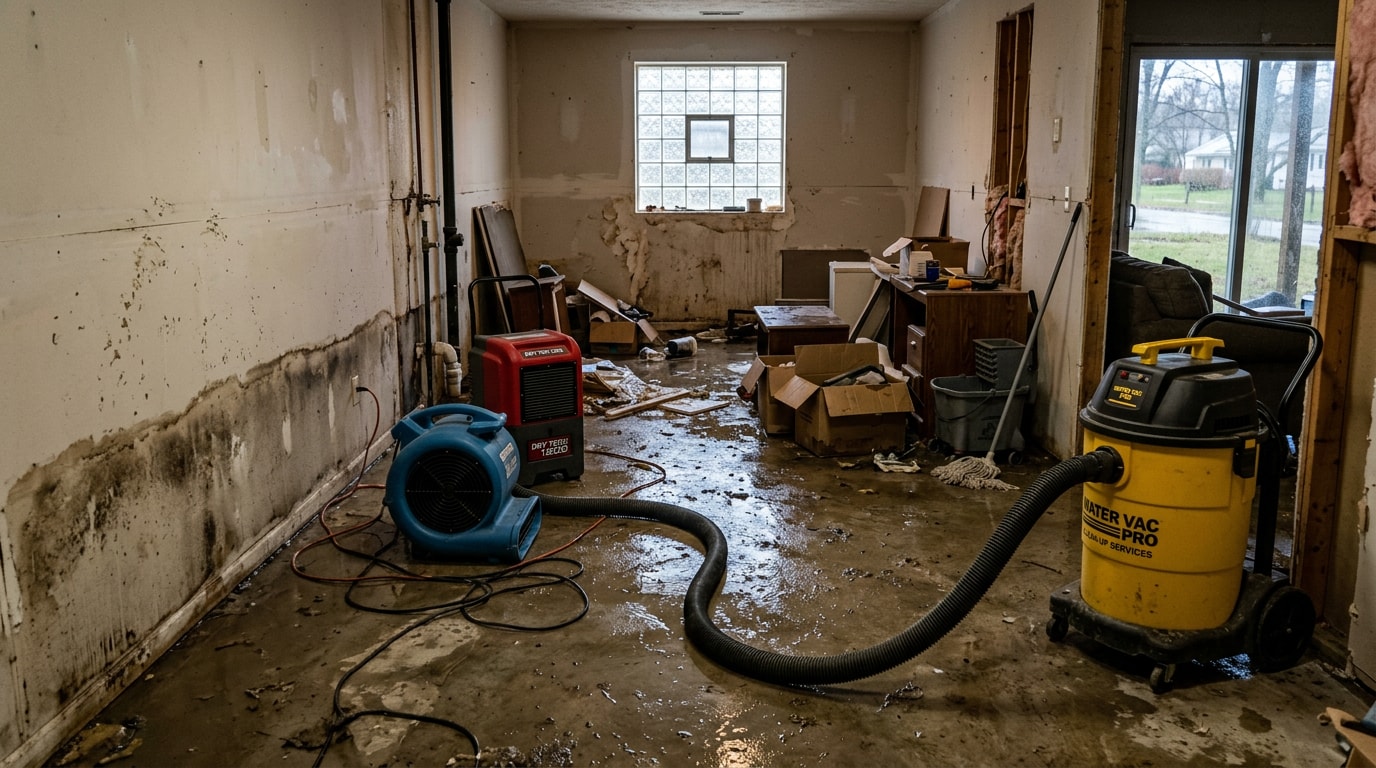
Flood clean up in Genesee County has to start within hours, not days, because standing water in a basement starts turning into a mold problem almost immediately. If you're staring at a wet basement in Flint, Burton, or Grand Blanc right now, this guide covers exactly what a cleanup crew removes, what it costs, and how fast a certified team should actually show up. We'll also show you where Genesee County flooding comes from and why that history matters for your insurance claim.
Visit 800 New Look to see our services and request a free estimate.
Why Genesee County Basements Flood So Often
Flooding here rarely has one cause. Flash flooding, broken pipes, sewage backups, and failed sump pumps all push water into basements and garages across the county, often in the same storm season.
The scale of these events isn't new. A 500-year event that dropped 9 1/2 inches of rain in five hours overwhelmed Flint-area drainage decades ago, and the pattern has repeated since. Local drainage systems were built to handle no more than a 25-year event, so they simply didn't have the capacity for that much water .
More recently, remnants of Hurricane Beryl caused severe flooding across Genesee County, leaving residents to clean up and assess the damage in homes that had never taken on water before. The Genesee County Drain Commissioner's office, which currently maintains more than 1,400 drainage districts throughout the county , works year-round to manage this runoff, but no drain system is built for a once-in-a-lifetime rain event. That's why fast cleanup response matters regardless of your property's flood history.
What a Professional Flood Clean Up Removes
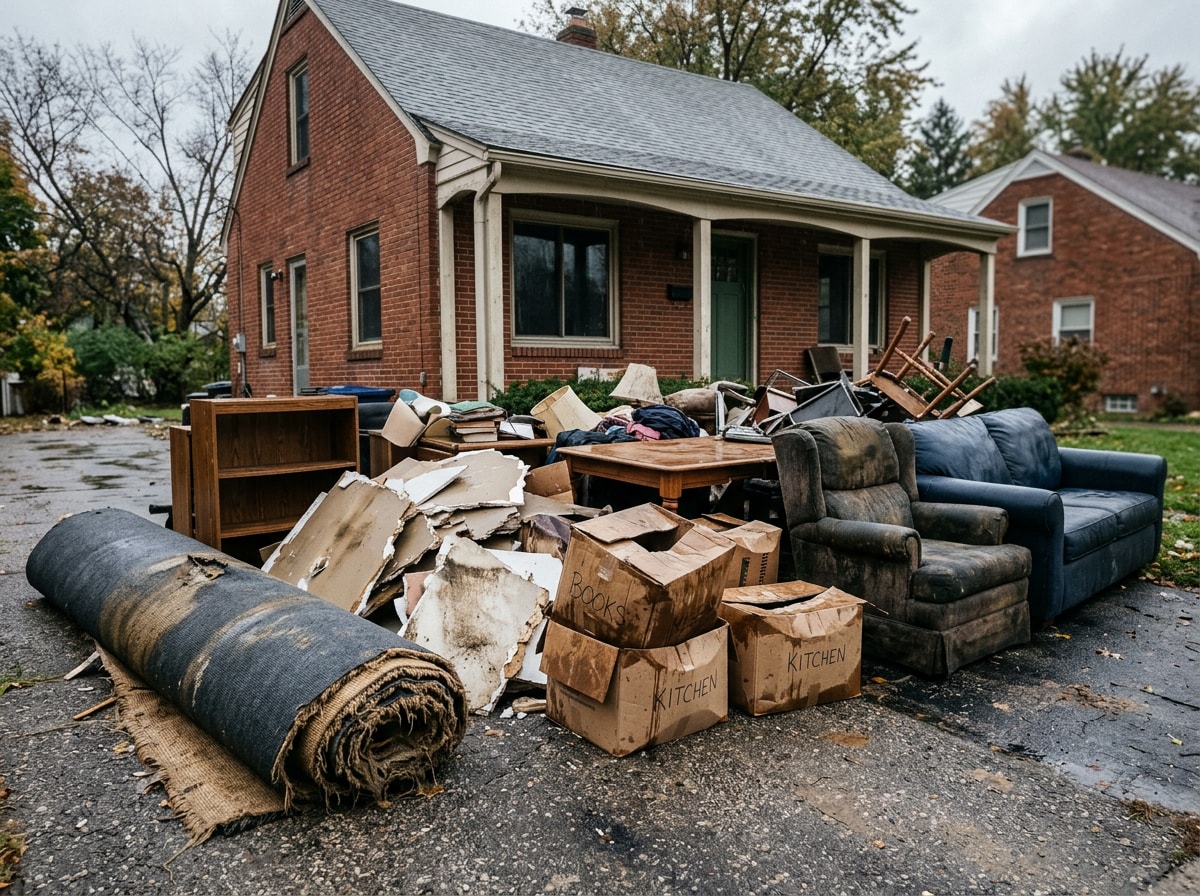
A real flood clean up job is mostly about removing anything that absorbed contaminated water before it starts growing mold or breaking down. That typically includes:
- Water-damaged furniture, mattresses, and upholstered items
- Soaked carpet, carpet padding, and area rugs
- Appliances and electronics that sat in standing water
- Waterlogged drywall, insulation, and wood debris
- Broken glass from storm-damaged windows and doors (storm damage window repair often runs alongside this step)
- Sewage-contaminated debris from basements and crawl spaces
Anything that was wet with flood water and can't be cleaned and dried completely within 24 to 48 hours should be thrown away or moved outside , according to CDC guidance on disaster cleanup. That timeline is the whole reason "we'll get to it next week" isn't an acceptable answer from a cleanup crew.
Understanding Water Damage Categories
Not all floodwater is handled the same way, and this is where a lot of DIY cleanup attempts go wrong. The current ANSI/IICRC S500 Standard for Professional Water Damage Restoration describes procedures and precautions for performing water damage restoration in residential, commercial, and institutional buildings , and it sorts water intrusion into three categories.
| Category | Typical Source | Contamination Level | Handling Required |
|---|---|---|---|
| Category 1 | Supply line break, appliance leak | Clean water | Extraction and drying |
| Category 2 | Sump pump failure, washing machine overflow | Some contamination | Extraction, drying, sanitizing |
| Category 3 | Sewage backup, floodwater, river overflow | Grossly contaminated | Full removal of porous materials, PPE required |
Most Genesee County flood calls land in Category 2 or 3, which is why DIY wet-vac cleanup often isn't enough on its own.
Cities We Cover Across Genesee County
A crew that knows Genesee County's drainage patterns responds faster and assesses damage more accurately than an out-of-area dispatcher. Local flood clean up coverage typically includes:
- Flint and Burton
- Grand Blanc and Swartz Creek
- Flushing and Clio
- Davison and Mount Morris
- Fenton, Montrose, and Linden
Check our Genesee County service area page to confirm coverage for your specific address before you call around.
Why Local, IICRC-Certified Response Matters
"24/7 emergency response" should mean a live person answers at 2 a.m. and a technician arrives within hours, not a voicemail promising a callback tomorrow. That distinction matters most during an active flooding event, when every hour of standing water adds to the bill.
Look for IICRC-certified technicians, transparent pricing, and documented local experience rather than a slick ad. Certification means a crew has trained on the accepted national standard for water damage restoration, not just put a logo on a truck. Hailstorm Pros ({{SITE_URL}}/) is a Michigan-based roofing, siding, gutter, and storm restoration contractor, and our crews have pulled soaked drywall and waterlogged carpet out of Flint-area basements during back-to-back storm seasons, so we know which materials can be saved and which need to leave the property immediately.
Ready for a crew on-site today? Get a Free Estimate and we'll get a certified technician dispatched to your address.
Full-Service Restoration: From Extraction to Rebuild
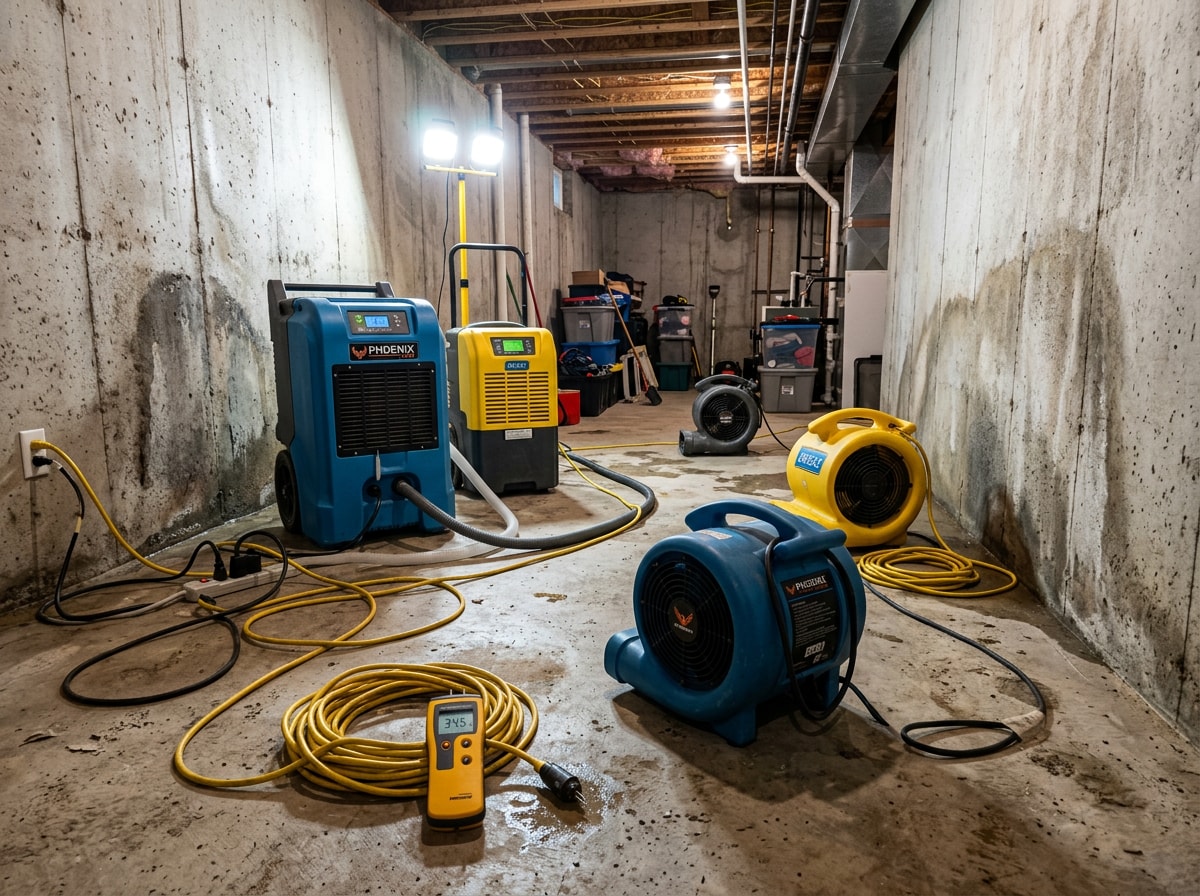
A complete flood restoration job covers more than hauling out debris. It includes water extraction, structural drying, and often storm repair, mold prevention, and contents cleaning under one provider.
Storm Damage Repair After the Water Is Gone
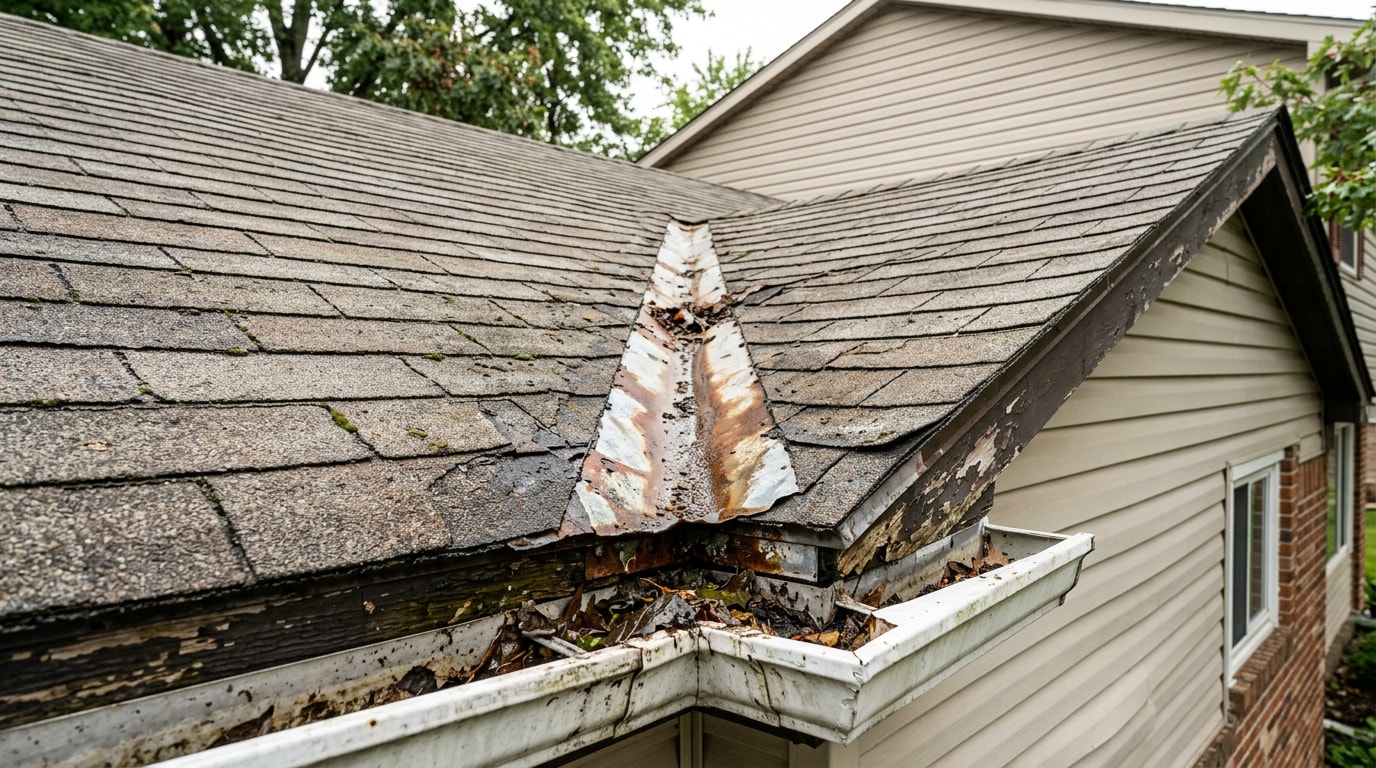
When wind and water hit together, the roof, siding, gutters, and windows often take damage at the same time as the basement. Once the property is dry, it's common to need storm damage roof repair, storm damage siding repair, or storm damage gutter repair to stop the next storm from causing the same flooding again.
Flooded Basement Cleanup Specifics
Flooded basement cleanup starts with identifying the water category, since sewage-contaminated water requires different PPE and disposal than clean groundwater seepage. Extraction and dehumidification need to happen fast: cleaning up and drying a home quickly after a storm or flood ends, within 24 to 48 hours if possible, is the standard CDC recommendation for preventing mold growth .
If you're dealing with a similar situation outside Genesee County, our water removal guide for Macomb County breaks down comparable response times and real cost ranges.
Insurance Coverage and Flood Cleanup Costs
This is the part most flood clean up pages skip, and it's the part homeowners actually need. Most homeowners insurance does not cover flood damage , which typically requires a separate NFIP flood policy. But coverage isn't always all-or-nothing: a standard policy would cover water damage from a sewer that backed up during a heavy rainstorm, but it would not cover damage from a sewer backup caused by clogged pipes . That distinction is exactly what adjusters argue over after every Genesee County storm.
If floodwater also damaged your roof, siding, gutters, or windows, that portion of the loss may fall under your regular homeowners policy instead of flood insurance. Our insurance claim roof assistance team can help document and file that separate claim so it doesn't get lost in the flood insurance conversation.
Cost for the cleanup itself depends on water category, affected square footage, and whether reconstruction is needed. Get a site-specific estimate rather than relying on a generic per-square-foot number, since Category 3 sewage cleanup and Category 1 clean-water extraction aren't priced the same way.
FAQ
How far into Genesee County do you go?
Coverage typically includes Flint, Burton, Grand Blanc, Flushing, Swartz Creek, Davison, Clio, Fenton, Mount Morris, Montrose, and Linden. Confirm your address on our Genesee County service area page before scheduling.
What's included in a flood clean up service?
Water extraction, debris removal (furniture, carpet, appliances, drywall), structural drying, and sanitizing of affected areas. Full-service providers also handle related storm repairs once the structure is dry.
Will my insurance cover flood cleanup?
Standard homeowners insurance usually excludes flood damage, which requires separate NFIP flood coverage. Sewer backup during a heavy rainstorm is sometimes covered differently than backup caused by a clogged pipe, so read your policy's sewer backup rider closely before assuming either way.
Do you remove wet or moldy items?
Yes. Anything porous that stayed wet past 24 to 48 hours, such as carpet, mattresses, and insulation, usually can't be saved and should be removed to limit mold growth, per CDC disaster cleanup guidance.
How long does flood cleanup take?
Extraction usually finishes the same day. Full structural drying can take several days to over a week depending on water category and how much material needs to come out.
How much does flood cleanup cost?
Cost varies by water category, square footage affected, and whether reconstruction is needed. A Category 1 clean-water extraction costs far less than a Category 3 sewage cleanup on the same size basement, so get a site-specific estimate.
Is emergency flood cleanup available year-round?
Yes. Michigan flooding isn't limited to summer storm season; frozen or burst pipes cause plenty of winter flood calls too. A crew advertising 24/7 response should answer that call the same way in January as in July.