A water damage mitigation company in Livingston County only earns the title if it can stop water where it enters, not just mop up after it spreads. Hailstorm Pros handles the roof, siding, gutter, and window failures that cause most residential water intrusion across Howell, Brighton, Hartland, and Fowlerville, then coordinates the drying, insurance documentation, and repair work that follows. Here's how that process actually works, and why the entry point matters more than most homeowners realize.
What "Water Damage Mitigation" Actually Means
Mitigation and restoration get used interchangeably, but they're two different jobs.
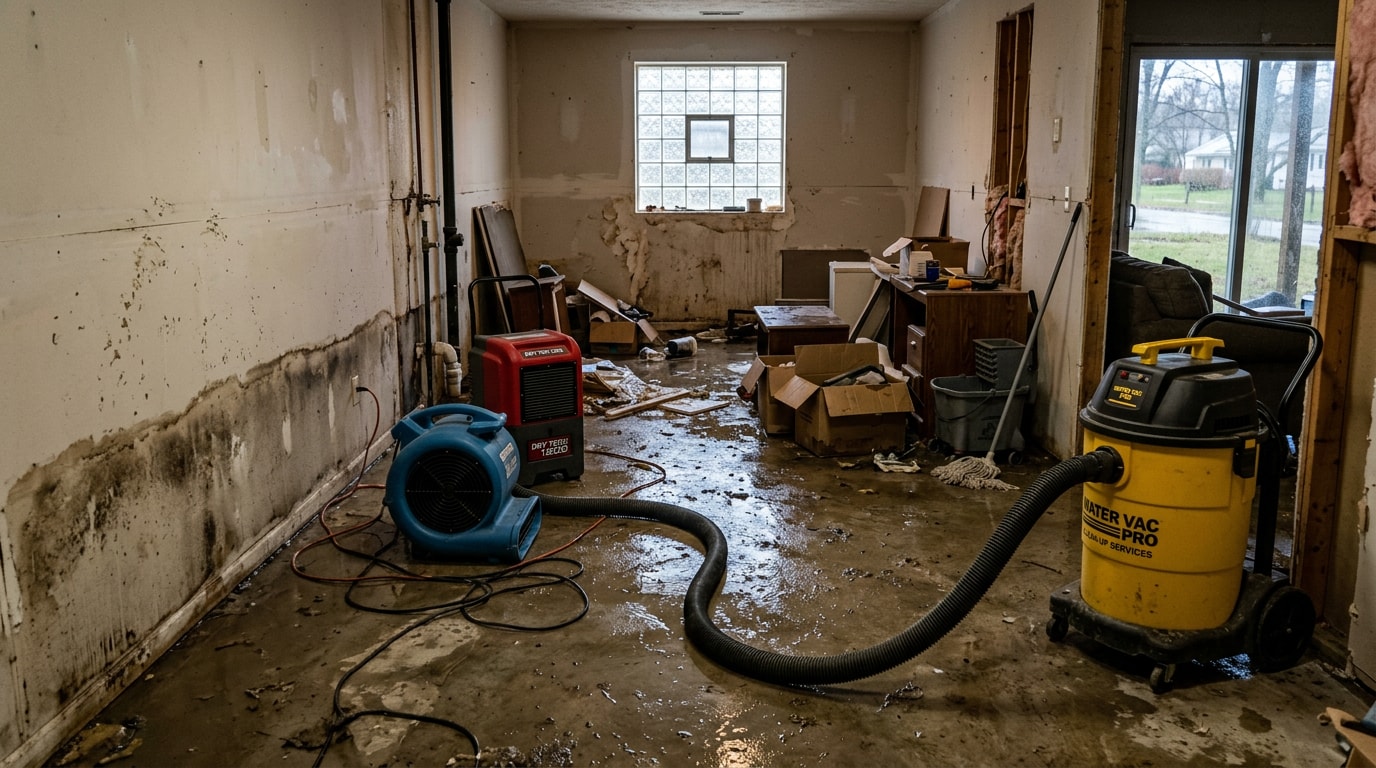
Mitigation stops active damage: closing the entry point, extracting standing water, and drying materials before mold has a chance to take hold. Restoration happens after that, rebuilding drywall, flooring, and framing back to pre-loss condition.
| Phase | Goal | Typical Timeline |
|---|---|---|
| Mitigation | Stop water entry, extract, dry, prevent mold | First 24-72 hours |
| Restoration | Rebuild and repair damaged materials | Days to several weeks |
Most Livingston County water losses need both, and most start with a building envelope failure, a roof leak, a cracked siding seam, a clogged gutter overflowing into the foundation, or a window that's lost its seal. If that entry point isn't closed first, drying equipment is just fighting a moving target.
How Hailstorm Pros Stops Water Damage at the Source
Our core work is sealing off the envelope failures that let water in during Livingston County storms, then connecting homeowners with the drying, extraction, and insurance support needed to finish the job. That includes:
- Storm Damage Roof Repair — emergency tarping and shingle, flashing, or decking repair after wind and hail
- Storm Damage Gutter Repair — clearing and resealing systems that back water into fascia, soffits, and foundations
- Storm Damage Siding Repair — closing gaps and cracked panels that let wind-driven rain behind the wall assembly
- Storm Damage Window Repair — re-sealing or replacing units with failed flashing or broken seals
- Insurance Claim Roof Assistance — documentation and adjuster coordination so the claim reflects the actual scope of damage
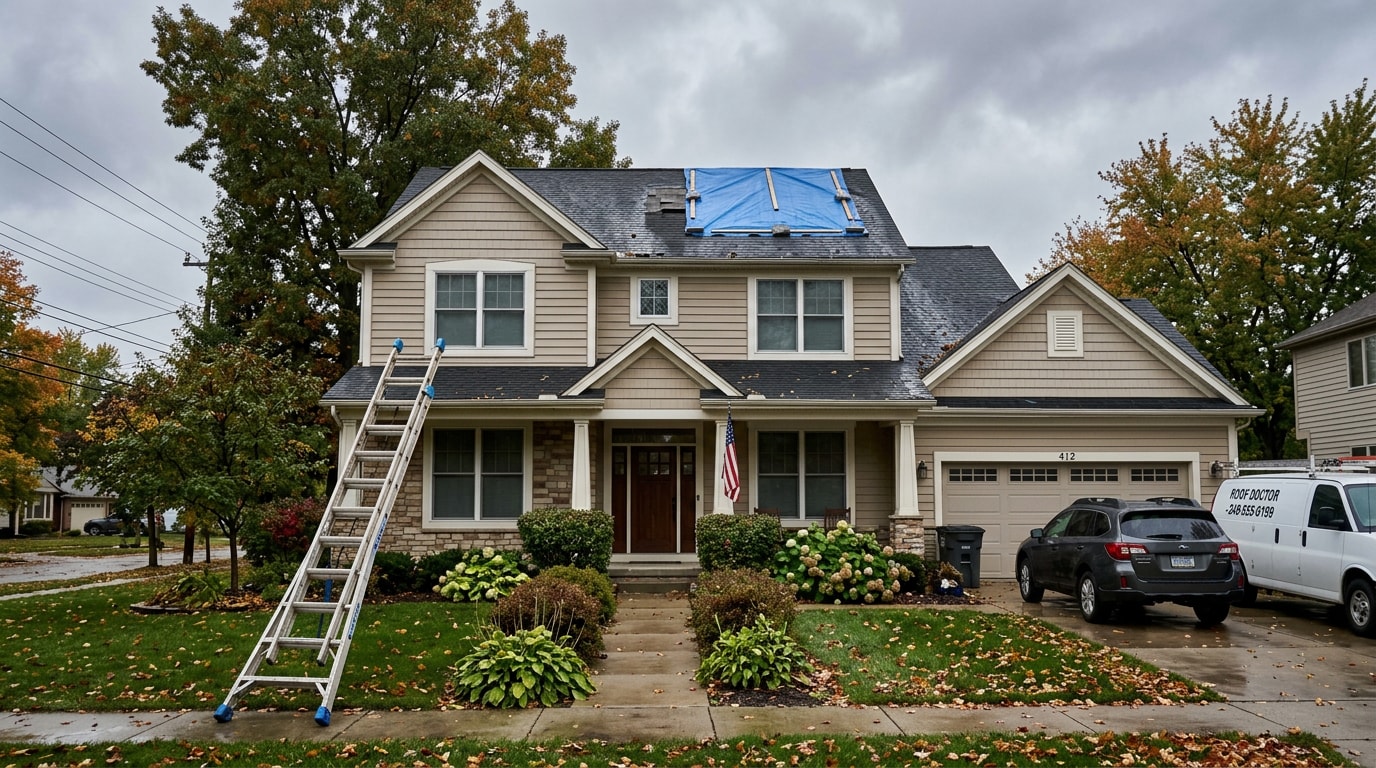
When our crews tarp a wind-damaged roof in Hartland or Brighton Township, the follow-up call rarely comes in about the roof itself. It's usually ceiling drywall and attic insulation that soaked up water before the tarp ever went on, which is why we document interior moisture readings during the same visit, not as a separate trip.
Our Response Process From Call to Claim
- Emergency contact — 24/7 intake for active leaks, storm damage, or visible interior water staining.
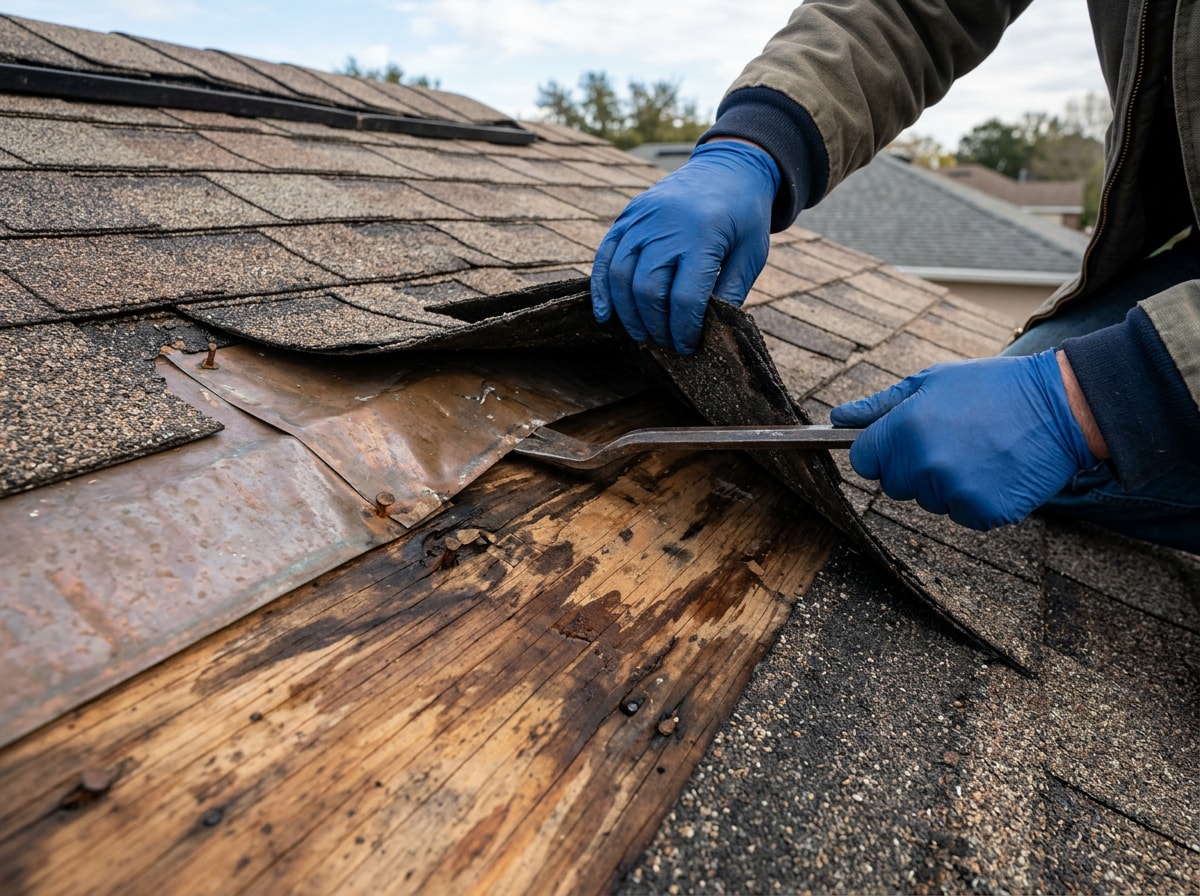
- Envelope inspection — roof, siding, gutters, and windows get checked first, since that's almost always where the water is still coming in.
- Emergency stop — tarping, board-up, or temporary sealing to shut off the active intrusion.
- Moisture documentation — readings and photos of affected drywall, subfloor, and framing for the insurance file.
- Insurance claim assistance — we help translate field documentation into a scope adjusters can approve quickly.
- Drying and permanent repair — structural drying is coordinated for the interior while we schedule the permanent roof, siding, gutter, or window repair.
Each step produces a dated record. Insurers rely on documentation that follows the ANSI/IICRC S500 Standard for Professional Water Damage Restoration, the industry's consensus framework for how water losses should be assessed, categorized, and dried. This Standard describes the procedures to be followed and the precautions to be taken when performing water damage restoration in residential, commercial, and institutional buildings, and the systems and personal property contained within those structures.
If you're not sure whether the roof, the siding, or the interior needs attention first, request a free estimate and we'll inspect the whole envelope in one visit.
Why Fast Action Prevents a Mold Problem
The 24 to 48 hour window after water enters a structure isn't a marketing line. It is important to dry water-damaged areas and items within 24-48 hours to prevent mold growth , according to the U.S. Environmental Protection Agency. When water leaks or spills occur indoors, act quickly. If wet or damp materials or areas are dried 24-48 hours after a leak or spill happens, in most cases mold will not grow.
Wait past that window and a drying job turns into a mold remediation project, with added cost for affected drywall, insulation, and subfloor. That's the real argument for closing the entry point fast instead of just running fans in a room that's still actively leaking.
Service Areas Across Livingston County
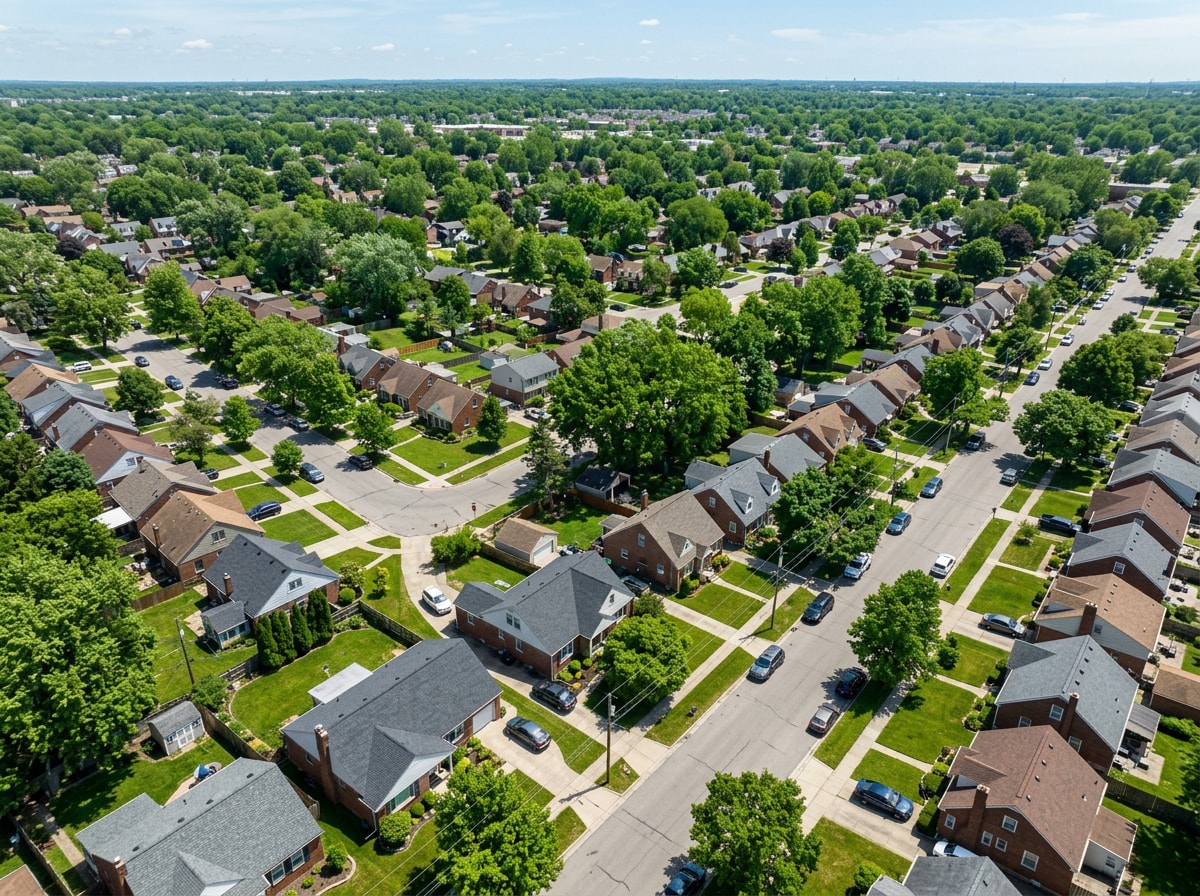
We respond to storm and water damage calls throughout Livingston County, including Howell, Brighton, Hartland, Fowlerville, and Pinckney. The population in Livingston County was 197,315 in 2025 , and that growth has pushed new subdivisions into areas with less-established drainage, alongside decades-old lakefront cottages built long before current roofing and flashing standards.
Those two housing types fail differently. Newer builds tend to see grading and gutter overflow issues during heavy rain. Older lakefront homes more often have roof flashing, siding, or window seals that have simply aged out, letting wind-driven rain behind the wall during a storm rather than during calm weather.
Common Water Damage Causes We See in Livingston County
- Ice dam backup along roof eaves during freeze-thaw cycles, forcing meltwater under shingles
- Clogged or disconnected gutters that overflow directly against siding and foundations
- Wind-lifted shingles after the kind of storms that roll through Howell and Fowlerville in spring and summer
- Failed window flashing on older homes near Hamburg and Brighton's lakefront, where humidity and direct lake exposure accelerate seal breakdown
- Siding seam gaps that open after years of freeze-thaw expansion and contraction
Each of these is a mitigation problem before it's ever a restoration problem. Fixing the shingle, the gutter run, or the window seal stops the next storm from reopening the same damage. For a look at how fast-response flood cleanup works once water has already pooled indoors, our flood clean up guide for Genesee County walks through the extraction and drying side of the process in more detail.
FAQ
What's the difference between water mitigation and water restoration?
Mitigation stops and limits ongoing damage by closing the entry point and drying affected materials. Restoration repairs and rebuilds the property afterward. Most jobs need both, often starting with the same crew that handled the emergency call.
Does homeowners insurance cover water damage from a storm-damaged roof?
Sudden damage from a covered peril, like wind-lifted shingles letting rain in during a storm, is typically covered. Gradual leaks from long-term neglect usually aren't. We document the cause and timeline during our first visit specifically to support that distinction with your adjuster.
How much does water damage restoration cost?
Costs vary by water category, square footage affected, and which materials need replacement. A roof or siding repair that stops the leak early is almost always cheaper than letting the same leak soak drywall and subfloor for weeks. A full inspection is the only way to get an accurate number for your specific damage.
How long does water damage restoration take?
Structural drying typically runs three to five days once equipment is in place. Full repairs, including roofing, siding, gutter, or window replacement, can extend the timeline to a few weeks depending on material availability and the extent of the damage.
What should I do immediately after water damage occurs?
Shut off the water source if it's safe to do so. Avoid areas near exposed electrical outlets. Photograph the damage before cleanup starts, and call a contractor who can inspect both the interior damage and the roof, siding, gutter, or window that let the water in.
Will Hailstorm Pros handle the whole water damage job, or just the roof and siding?
We lead with the building envelope, roof, siding, gutters, and windows, because that's where most Livingston County water damage actually starts, and we handle the insurance claim work tied to that scope. We coordinate directly with drying and extraction partners so interior mitigation and exterior repair happen on the same timeline instead of as two disconnected jobs.
Ready to get the leak closed before it gets worse? Visit Hailstorm Pros or request a free estimate and we'll inspect the full envelope on the first visit.